







CBSE Class 12 Results 2026 Show Dip in Pass Percentage as Competition Pressure Grows
Over 94,000 Students Score Above 90 Percent Despite Tougher Evaluation Trends The Central Board of Secondary Education announced the Class 12 Results 2026 this week, with the overall pass percentage...

Over 94,000 Students Score Above 90 Percent Despite Tougher Evaluation Trends
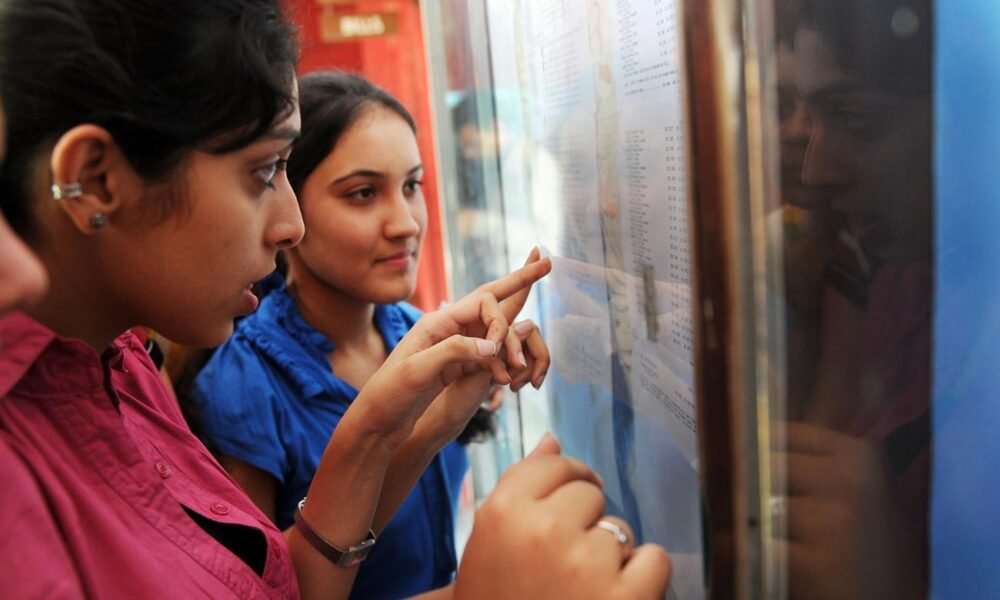
The Central Board of Secondary Education announced the Class 12 Results 2026 this week, with the overall pass percentage witnessing a slight decline compared to the previous year even as thousands of students secured top scores across streams.
According to official data released by the board, the overall pass percentage stood at 85.2 percent, while more than 94,000 students scored above 90 percent in the examinations conducted earlier this year.
Students from science, commerce, and humanities streams across multiple states continued celebrating strong individual performances, while schools simultaneously began counselling and admission guidance sessions for graduates preparing for university applications and competitive entrance examinations.
Education experts say the results reflect growing academic competition and pressure within India’s senior secondary education system, particularly as board examination performance increasingly overlaps with CUET admissions, professional entrance tests, and scholarship eligibility.
Several schools also reported higher stress levels among students this year due to overlapping examination schedules, competitive admission pressure, and uncertainty surrounding entrance examination controversies affecting the education sector.
Debate Continues Over Academic Pressure and Evaluation Systems
The release of the results has once again intensified debate around student mental health, examination pressure, and India’s highly competitive academic environment.
Education counsellors say many students continue facing extreme pressure linked to marks, cut-offs, and college admissions despite repeated policy discussions around holistic evaluation and reduced rote-learning dependence.
The National Education Policy 2020 had proposed broader reforms encouraging flexibility and skill-based learning, though critics argue that marks-driven competition continues dominating the education ecosystem.
Several educators additionally pointed to increasing dependence on coaching institutions and private tuition systems among senior secondary students preparing for both board and entrance examinations simultaneously.
Universities across India are now expected to accelerate counselling and undergraduate admission procedures as students begin the next phase of the academic cycle.



No Comment! Be the first one.