








Government Studies Hybrid NEET Examination Model After Repeated Paper Leak Controversies
Education Ministry and NTA Reviewing Future Exam Security Framework The Union government and the National Testing Agency are reportedly studying the possibility of introducing a hybrid examination...

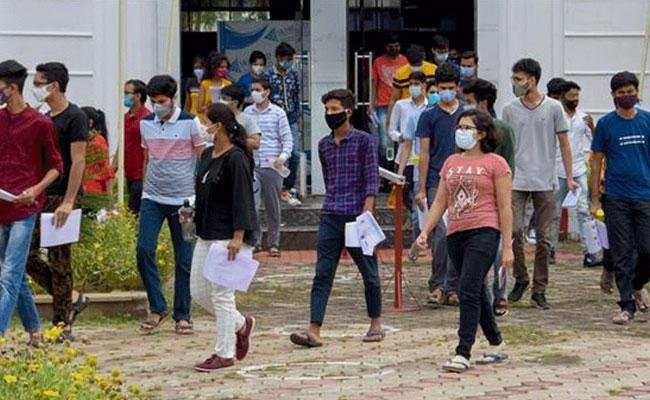
Education Ministry and NTA Reviewing Future Exam Security Framework
The Union government and the National Testing Agency are reportedly studying the possibility of introducing a hybrid examination model for NEET following repeated controversies surrounding paper leaks and examination security failures.
The discussion gained momentum after the cancellation of NEET UG 2026 triggered nationwide outrage, student protests, and a CBI investigation into alleged organised malpractice networks linked to the examination process.
Officials and policy observers say authorities are now examining whether a partially digital or hybrid system could reduce vulnerabilities associated with transporting physical question papers and large-scale offline examination management.
The proposed discussions reportedly include stronger biometric verification, encrypted digital distribution systems, AI-based surveillance tools, and tighter examination centre monitoring mechanisms.
Education experts believe the controversy has significantly intensified pressure on authorities to modernise India’s competitive examination infrastructure as the number of aspirants appearing for national-level entrance tests continues increasing every year.
Debate Grows Over Digital Exams, Accessibility, and Infrastructure
While supporters argue that hybrid examinations could improve transparency and reduce leak-related risks, critics continue raising concerns regarding unequal digital infrastructure, internet reliability, and technical readiness across rural and semi-urban regions.
Several student groups have also questioned whether rapid digital transition without adequate testing could create new challenges involving server failures, technical glitches, and access inequality.
Education analysts say India’s examination system is currently facing a major transition phase where technological modernisation must be balanced with fairness, accessibility, and logistical feasibility.
The issue has additionally triggered broader political and academic debate around institutional accountability, examination governance, and long-term reform within the National Testing Agency.
Students across India continue awaiting clarity regarding future examination structures, revised NEET schedules, and additional reforms expected after the ongoing investigation concludes.
The discussion around hybrid examinations is likely to remain central to India’s education policy debate in the coming months as pressure grows for stronger examination security and transparency measures.







No Comment! Be the first one.