








India Launches National Task Force to Reform Public Examinations
The Indian government has announced a National Exam Reform Task Force to improve the country’s public examination system after concerns over recent paper leak cases. The task force will be led...

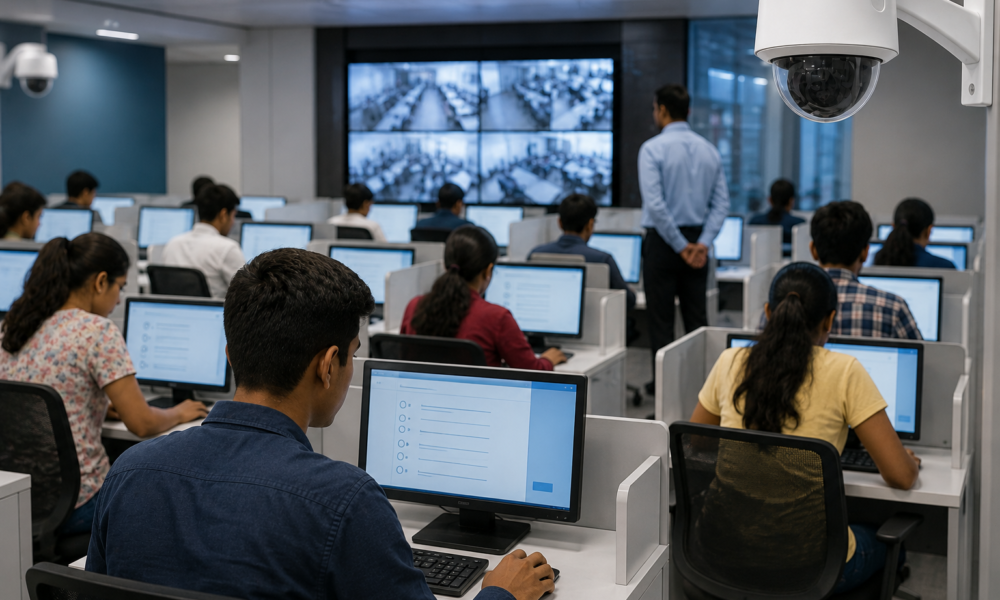
The Indian government has announced a National Exam Reform Task Force to improve the country’s public examination system after concerns over recent paper leak cases. The task force will be led by Infosys co-founder Nandan Nilekani and will recommend ways to make exams more transparent, secure and technology-driven. The move is aimed at restoring students’ confidence in competitive examinations across India.
According to the government, the task force will study the current examination system and suggest reforms to strengthen security, improve technology, reduce human errors and make exams more reliable. It is also expected to recommend better digital systems, stronger monitoring and improved processes for conducting large-scale entrance and recruitment examinations.
The announcement comes after repeated concerns over paper leaks and examination irregularities, which have affected the confidence of students and parents. Millions of students prepare for competitive examinations every year, making a fair and transparent examination system essential for higher education and government recruitment.
Education experts believe technology will play a much bigger role in future examinations. Digital monitoring, secure question paper handling, AI-based surveillance and stronger cybersecurity measures are expected to become increasingly important as examination authorities work to prevent unfair practices. These reforms could also reduce manual processes and improve the speed of conducting examinations.
The task force is also expected to consult education experts, technology specialists and examination bodies before submitting its recommendations. Its findings could influence the future of national entrance tests, recruitment examinations and other public assessments conducted across the country. The government has said the objective is to create a system that is fair for every student while reducing opportunities for malpractice.
Experts say stronger examination systems are important not only for students but also for India’s economy. A trusted examination process helps universities, employers and government agencies select candidates fairly. It also improves confidence in the education system and encourages students to compete based on merit rather than worrying about irregularities.
Another major trend is the growing use of digital technology in education. From online admissions to digital classrooms and AI-based learning tools, education is becoming more technology-driven. Examination reforms are expected to become part of this wider digital transformation across India’s education sector.
If the recommendations are implemented, India could see faster, more secure and more transparent public examinations. Students may benefit from fewer disruptions, quicker processes and greater trust in competitive exams, helping strengthen the country’s education system over the long term.






No Comment! Be the first one.