








The growing use of artificial intelligence tools among students is raising concerns about academic integrity, especially during online assessments and assignments.
With the increasing accessibility of AI-based platforms, students are using these tools to generate answers, solve problems and complete assignments. While technology has made learning more...

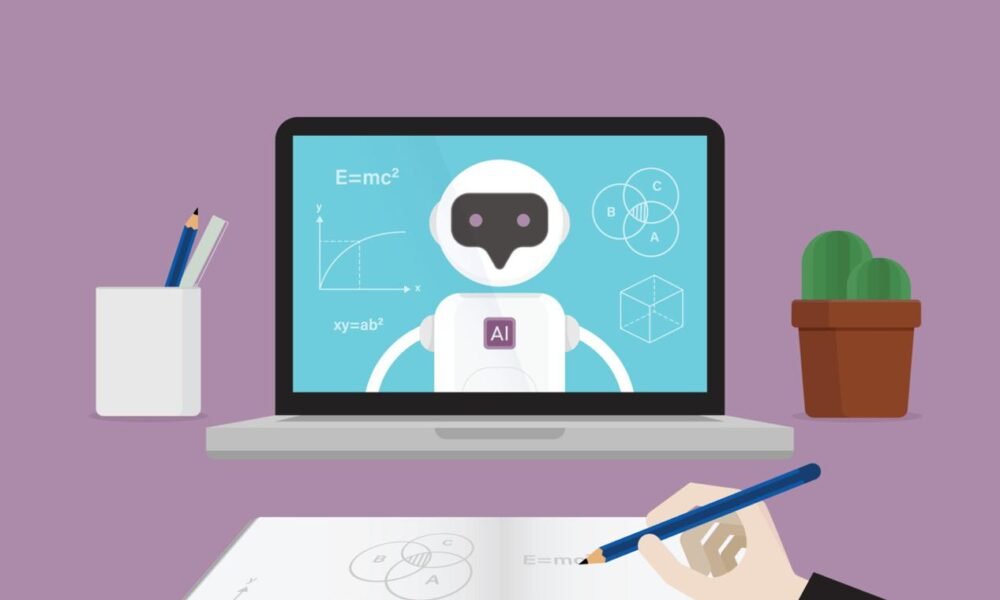
With the increasing accessibility of AI-based platforms, students are using these tools to generate answers, solve problems and complete assignments. While technology has made learning more efficient, it has also created challenges in maintaining fairness in evaluation.
Educators have observed a rise in AI-assisted submissions, making it difficult to distinguish between original work and generated content. This has sparked debate around how education systems should adapt to emerging technologies.
Institutions explore new evaluation methods and policies
Educational institutions are now exploring ways to address the issue by updating assessment methods and introducing stricter guidelines. Some are focusing on in-person evaluations, oral exams and project-based assessments to reduce dependence on AI tools.
Experts note that the challenge is not just about restricting AI usage but also about redefining how students are evaluated. The focus is gradually shifting towards critical thinking, creativity and application-based learning rather than memorisation.
At the same time, some educators argue that AI should be integrated into learning rather than completely restricted. Teaching students how to use these tools responsibly could become an essential part of modern education.
Concerns around fairness, plagiarism and skill development remain central to the discussion. Institutions are working to strike a balance between leveraging technology and maintaining academic standards.
The rise of AI in education highlights the need for updated policies and innovative teaching approaches. As technology continues to evolve, education systems will need to adapt to ensure both integrity and relevance in learning.






No Comment! Be the first one.