








Punjab Schools Expand Agricultural Education Programmes to Connect Students With Rural Innovation
Agriculture is becoming a larger part of classroom discussions in Punjab as schools across the state introduce programmes designed to help students better understand farming, food systems and modern...

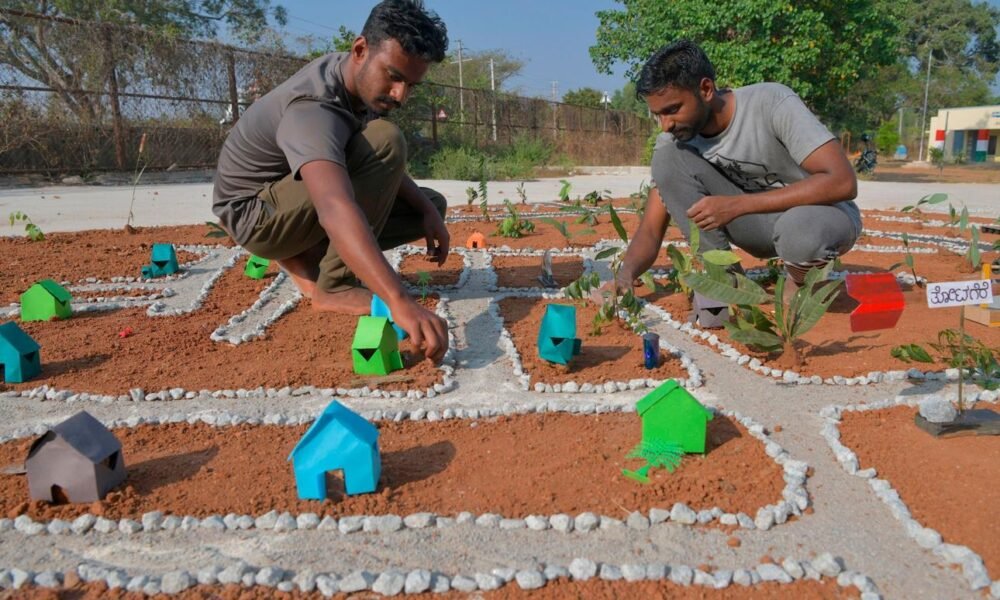
Agriculture is becoming a larger part of classroom discussions in Punjab as schools across the state introduce programmes designed to help students better understand farming, food systems and modern agricultural technologies.
The initiative comes at a time when agriculture continues to play a central role in Punjab’s economy and identity. Educators believe students should gain a deeper understanding of the sector, particularly as farming evolves through technology, sustainability practices and changing market demands.
Several schools have started organising field visits, agricultural awareness sessions and practical learning activities that expose students to modern farming techniques. Topics such as water conservation, crop diversification, soil health and precision agriculture are increasingly being introduced through project-based learning.
Teachers say many students are growing up with limited exposure to how food reaches consumers despite living in one of India’s most agriculturally significant states. By connecting classroom learning with real-world agricultural practices, schools hope to create greater awareness about the challenges and opportunities facing the sector.
Agricultural experts believe early exposure to farming innovation can encourage students to explore careers in agri-technology, food processing, research and sustainable agriculture. The sector is undergoing rapid transformation, with technology playing a growing role in productivity, resource management and supply chain efficiency.
Some schools have also partnered with agricultural universities and local experts to provide students with insights into emerging trends such as drone-assisted farming, smart irrigation systems and climate-resilient agricultural practices.
Education specialists note that agricultural literacy is becoming increasingly important as conversations around food security, environmental sustainability and rural development gain prominence.
Parents and community leaders have largely welcomed the programmes, viewing them as an opportunity to strengthen students’ connection with local industries while expanding career awareness.
As agriculture continues adapting to new challenges and opportunities, schools in Punjab are increasingly positioning agricultural education as an important component of future-ready learning.







No Comment! Be the first one.