








Karnataka to Introduce STEAM Education in Government Schools, Robotics and Coding to Become Part of Curriculum
The Karnataka government has announced the introduction of STEAM (Science, Technology, Engineering, Arts and Mathematics) education in government schools, marking a significant step toward...

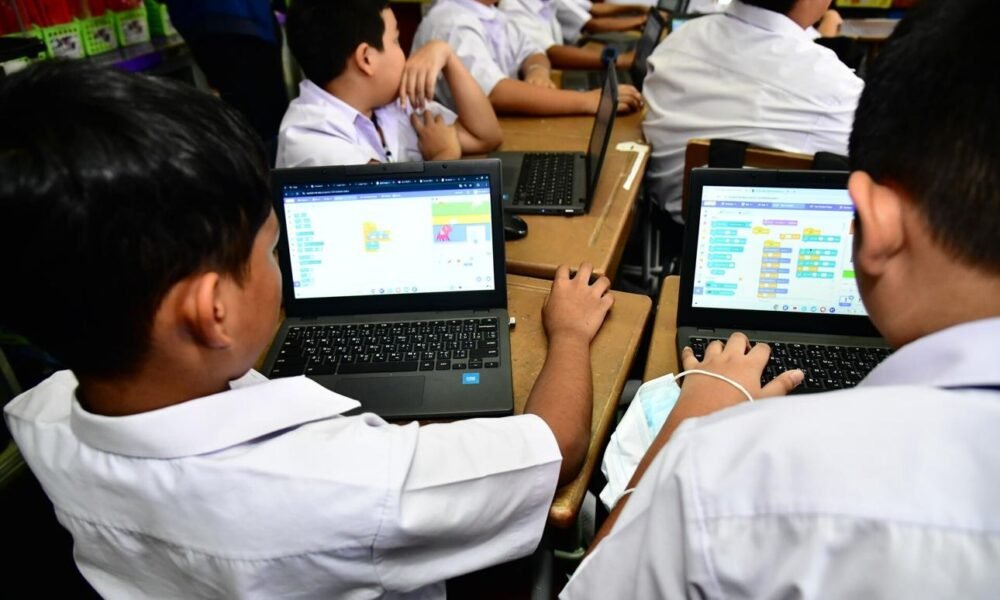
The Karnataka government has announced the introduction of STEAM (Science, Technology, Engineering, Arts and Mathematics) education in government schools, marking a significant step toward modernizing classroom learning. As part of the initiative, students will receive exposure to robotics, coding and hands-on project-based learning to strengthen problem-solving and innovation skills.
The Department of School Education and Literacy will implement the programme across government schools in phases. Officials believe the initiative will help bridge the gap between government and private schools by providing students with access to emerging technologies and experiential learning opportunities.
Education experts say the integration of robotics and coding into school education will prepare students for future careers in technology-driven industries. Instead of relying solely on textbook learning, the STEAM approach encourages students to apply classroom concepts through practical activities, experiments and collaborative projects.
The programme is also expected to promote creativity alongside technical knowledge by incorporating arts into science and technology education. This interdisciplinary approach aligns with global educational trends that emphasize critical thinking, innovation and real-world problem-solving.
Teachers will receive specialized training to deliver the new curriculum effectively. Schools are expected to establish innovation labs and provide students with opportunities to work on robotics kits, coding exercises and technology-based classroom projects.
The initiative supports the objectives of the National Education Policy (NEP) 2020, which advocates experiential learning, multidisciplinary education and early exposure to vocational and technological skills. Policymakers believe introducing these subjects at the school level will improve digital literacy and prepare students for higher education and employment.
Industry experts have welcomed the move, noting that future workplaces will increasingly require skills in programming, automation and emerging technologies. Early exposure can help students develop confidence in STEM fields while encouraging innovation and entrepreneurship.
As Karnataka begins implementing the programme, education leaders expect the initiative to strengthen learning outcomes and create a more future-ready education system. The introduction of STEAM education reflects the state’s commitment to equipping students with skills needed in the rapidly evolving digital economy.







No Comment! Be the first one.