






Continuing Education in India: Why Learning Does Not Have to Stop After College
A college degree is no longer the final step in a person’s education. Technology, workplace expectations and changing industries are creating a growing need for people to learn new skills...

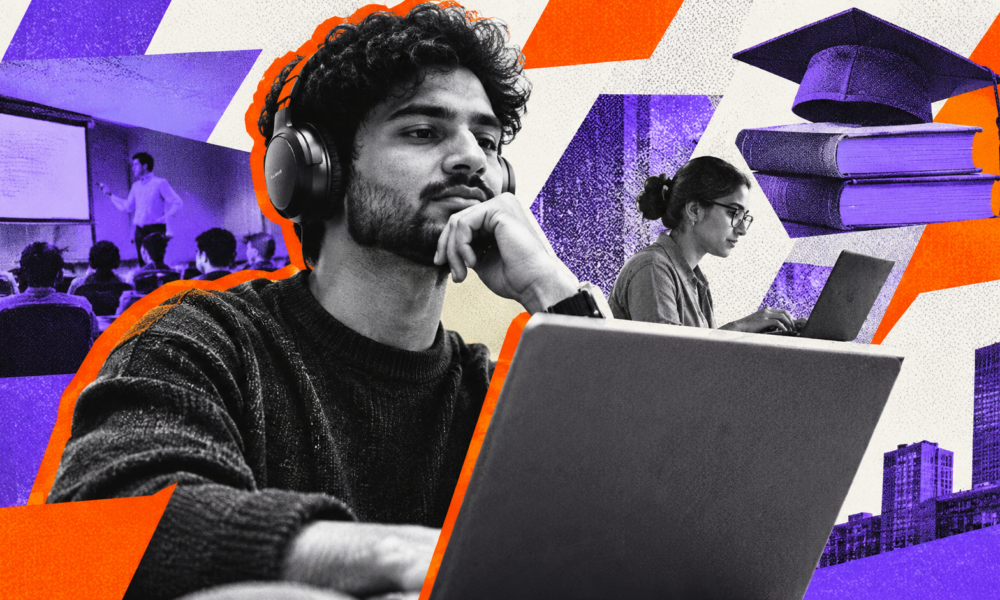
A college degree is no longer the final step in a person’s education. Technology, workplace expectations and changing industries are creating a growing need for people to learn new skills throughout their lives. This is where continuing education becomes important.
Continuing education refers to learning activities people pursue after completing their formal education. These may include professional courses, online certificates, vocational training, language classes, digital skills programmes and short-term qualifications.
For working professionals, continuing education can help them remain relevant in a changing job market. For people who left school or college early, it can provide another opportunity to develop useful skills.
Why is continuing education becoming important?
The nature of work is changing. Artificial intelligence, automation, digital platforms and new business models are influencing how companies operate. Employees may need to learn new software, understand data, improve communication or develop technical skills to remain competitive.
A qualification earned several years ago may not cover every skill required by today’s employers. Continuing education helps bridge this gap.
It is also useful for people who want to change careers. Someone working in sales may want to learn digital marketing. A graduate may pursue data analytics. A small business owner may study accounting or online commerce.
Learning is no longer limited to classrooms. People can access courses through universities, training institutions, online platforms and community learning centres.
India’s focus on lifelong learning
India’s National Education Policy 2020 recognises the importance of adult education and lifelong learning.
One important government initiative is ULLAS, also known as the New India Literacy Programme. It targets adults aged 15 years and above who missed formal schooling.
The programme covers foundational literacy and numeracy, critical life skills, vocational skills, basic education and continuing education. Its five-year target for 2022–27 is to reach five crore non-literate learners.
The official programme information also highlights financial literacy, digital literacy, legal awareness, healthcare awareness and vocational learning. These areas show that adult education is not only about reading and writing. It is also about helping people participate more confidently in everyday life.
What can people learn?
Continuing education can take different forms depending on a learner’s needs.
- Digital skills: Computer basics, spreadsheets, coding and cybersecurity.
- Professional skills: Project management, communication and leadership.
- Vocational skills: Electrician training, tailoring, hospitality and repair work.
- Business skills: Accounting, entrepreneurship and digital marketing.
- Personal development: Languages, financial planning and creative subjects.
The right course should match a person’s career goals, available time and budget.
How can learners choose the right course?
Before enrolling, learners should check the institution’s credibility, course curriculum, faculty experience and certificate recognition.
They should also examine whether the course includes practical assignments or projects. A certificate alone may not demonstrate that a person can perform a task.
Short courses can be useful, but learners should avoid programmes that promise guaranteed jobs or unusually high salaries without credible evidence.
The future of continuing education
India’s workforce will need to adapt as technology and industries evolve. Continuing education can help employees, entrepreneurs and adult learners respond to these changes.
The larger idea is simple: education should not end when someone receives a degree. It should remain accessible throughout life, helping people improve their knowledge, confidence and employment opportunities.


No Comment! Be the first one.