








States Expand Digital Classrooms as Debate Grows Over Technology Gap in Education
Schools Increase Smart Learning Adoption Across Urban and Rural Regions Several Indian states are accelerating digital classroom and smart learning initiatives as governments continue investing in...

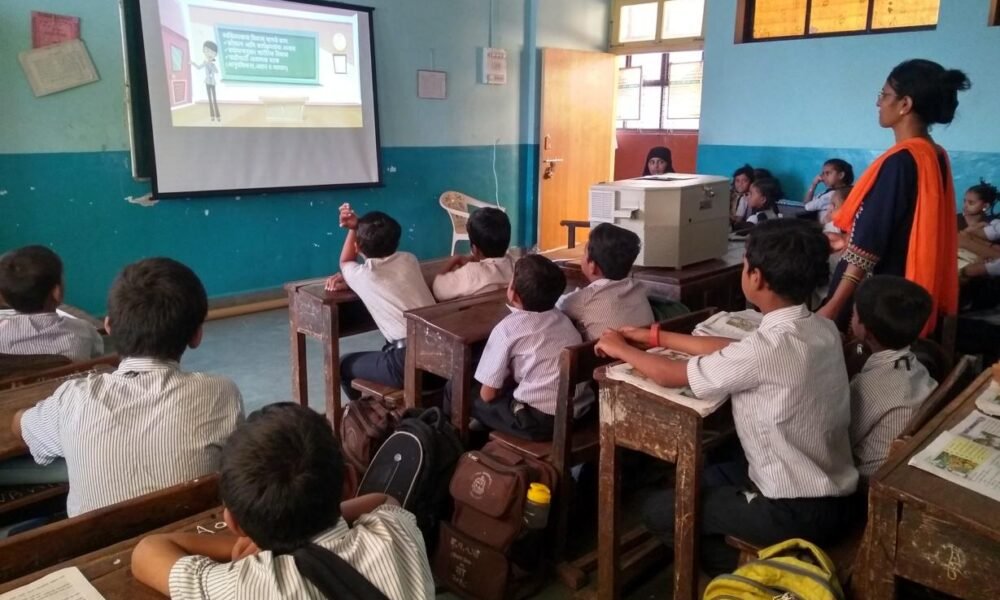
Schools Increase Smart Learning Adoption Across Urban and Rural Regions
Several Indian states are accelerating digital classroom and smart learning initiatives as governments continue investing in technology-driven education infrastructure across government schools and public institutions.
Education departments in states including Uttar Pradesh, Karnataka, and Maharashtra have recently expanded programmes involving smart boards, digital attendance systems, tablet distribution, and online learning platforms aimed at modernising classroom learning.
Officials say the initiatives are intended to improve access to educational resources, strengthen classroom engagement, and reduce learning gaps through technology-supported teaching methods.
The push toward digital education gained momentum after the pandemic years, when schools and institutions increasingly depended on virtual learning systems and online academic platforms.
Education experts believe technology integration can improve accessibility and exposure for students, particularly in remote regions where teacher shortages and resource limitations continue affecting educational outcomes.
Concerns Remain Over Unequal Access and Digital Readiness
Despite growing investment in digital learning infrastructure, educators and policy observers continue raising concerns regarding uneven internet access, device affordability, and digital literacy levels across rural and economically weaker regions.
Critics argue that technology-based education reforms may unintentionally widen educational inequality if schools lacking electricity, stable connectivity, or trained staff struggle to implement digital systems effectively.
Teachers have also pointed to the need for stronger training programmes to help educators adapt to rapidly changing classroom technologies and online teaching tools.
Supporters of digital learning initiatives, however, maintain that long-term investment in educational technology remains essential for preparing students for future workforce demands and modern skill requirements.
The broader discussion reflects how India’s education system is increasingly balancing traditional classroom methods with technology-driven learning models amid changing academic and employment landscapes.







No Comment! Be the first one.