







Educational Games: How Play-Based Learning Can Make Classrooms More Engaging
Learning does not always have to begin with a textbook. A mathematics quiz, a science puzzle or a digital simulation can also help students understand difficult ideas. Educational games are becoming...


Learning does not always have to begin with a textbook. A mathematics quiz, a science puzzle or a digital simulation can also help students understand difficult ideas. Educational games are becoming an important part of this approach, combining learning activities with elements of play.
Educational games are designed to help students develop knowledge and skills through structured challenges. They may be physical board games, classroom activities, mobile applications or computer-based simulations.
The objective is not simply to entertain students. A good educational game connects an activity with a clear learning outcome.
Why are educational games becoming popular?
Traditional classroom methods often depend on reading, writing, lectures and examinations. These methods remain important, but students do not always learn at the same pace or through the same activities.
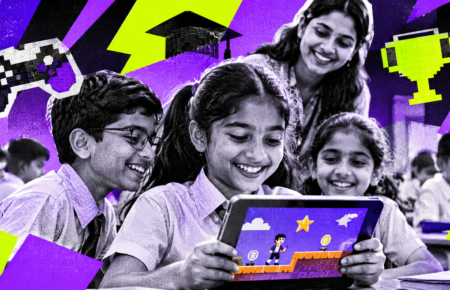
Games can introduce another way to practise concepts. A student learning multiplication, for example, may solve number challenges to earn points. A science class may use a simulation to understand how ecosystems work.
Games can also provide immediate feedback. Students can identify mistakes, try again and improve their performance.
This process may encourage participation, especially among learners who hesitate to answer questions in front of the entire class.
What can students learn through games?
Educational games can support different subjects and age groups.
Mathematics: Number puzzles, arithmetic challenges and geometry games can help students practise calculations and recognise patterns.
Science: Simulations can help explain concepts such as gravity, energy, weather and the human body.
Languages: Word games, spelling challenges and vocabulary activities can support reading and language development.
History and geography: Interactive maps, timelines and role-playing activities can make historical events and geographical concepts easier to explore.
Digital skills: Coding games can introduce algorithms, sequencing and problem-solving.
The role of digital learning
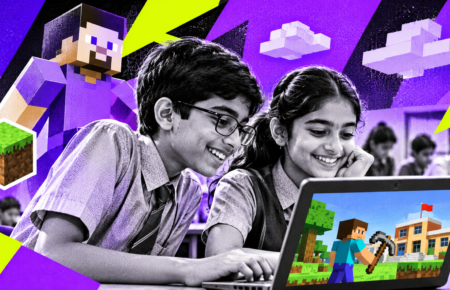
Digital educational games are expanding the possibilities for classroom activities. Teachers can use quizzes, interactive exercises and simulations to make lessons more participatory.
However, technology is only useful when it supports a clear educational purpose.
A game that rewards students for clicking quickly may not necessarily improve understanding. Similarly, an application filled with advertisements or unnecessary rewards may distract learners from the subject.
Teachers should examine whether a game matches the student’s age, curriculum and learning level.
What should parents and teachers consider?
Not every game labelled educational provides meaningful learning. Parents and teachers should check what skills the game develops and whether children can explain what they have learned.
The amount of screen time also matters. Digital games should be balanced with outdoor activities, reading, classroom discussion and face-to-face interaction.
Younger children may benefit from physical games involving blocks, puzzles, cards and movement. Older students may use digital simulations or collaborative problem-solving activities.
Teachers should also ensure that students without personal devices are not excluded from classroom activities.
How can schools use educational games effectively?
Schools can begin with simple activities. A teacher can introduce a short quiz after a lesson, organise a group puzzle or use a simulation to explain a scientific process.
The game should have a defined purpose, clear instructions and a short discussion afterwards. This final discussion is important because it connects the experience with the actual lesson.
The future of game-based learning
Educational games can make learning more interactive, but they cannot replace good teaching. Their value depends on how well they support understanding, practice and feedback.
When designed thoughtfully, games can turn a passive classroom activity into an opportunity for students to experiment, collaborate and learn from mistakes.
Source note: Minecraft Education’s classroom resources provide examples of structured coding, science, mathematics and digital citizenship activities.


No Comment! Be the first one.