








Coaching Culture Debate Intensifies as Questions Grow Over India’s Examination System
Educators and Policy Experts Raise Concerns Over Rising Academic Pressure The debate surrounding India’s growing coaching culture is becoming increasingly political and policy-driven, with opposition...

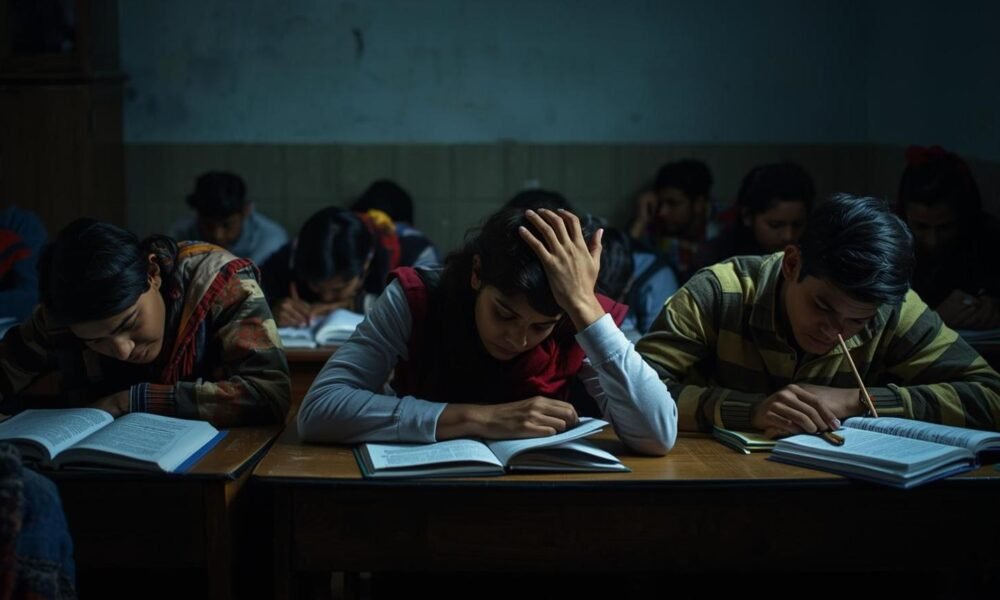
Educators and Policy Experts Raise Concerns Over Rising Academic Pressure
The debate surrounding India’s growing coaching culture is becoming increasingly political and policy-driven, with opposition leaders, educators, and academic experts questioning whether existing education reforms have done enough to reduce pressure on students preparing for competitive examinations.
The discussion has gained momentum amid the continued expansion of private coaching institutes across cities including Kota, Delhi, Hyderabad, and Patna, where lakhs of students relocate each year to prepare for engineering, medical, and government entrance examinations.
Critics argue that the rapid rise of the coaching industry reflects deeper structural problems within India’s school education system, particularly the continued dependence on marks, rankings, and entrance examinations as primary indicators of academic success.
Several education experts have also questioned whether classroom learning in schools is becoming increasingly secondary to coaching-based preparation, especially for students targeting highly competitive examinations such as NEET UG and JEE.
The issue has repeatedly entered political discussions over the past few years, with policymakers promising reforms aimed at reducing rote learning, improving conceptual education, and lowering student stress under the framework of the National Education Policy 2020.
Concerns Increase Over Student Mental Health and Educational Inequality
Mental health professionals continue warning that excessive academic pressure and prolonged coaching schedules can negatively affect student well-being, sleep patterns, confidence, and emotional stability.
Parents and educators have additionally raised concerns regarding the financial burden created by expensive coaching programmes, arguing that unequal access to private coaching may widen educational disparities between students from different economic backgrounds.
Supporters of the coaching industry, however, maintain that institutes provide structured preparation, mentorship, and competitive exposure that many students consider necessary within India’s highly competitive examination ecosystem.
Education analysts say the larger debate now extends beyond coaching institutes themselves and increasingly focuses on whether India’s broader evaluation system requires deeper structural reform.
The discussion is expected to remain central to education policy conversations as competition for university seats and professional courses continues rising across the country.







No Comment! Be the first one.