




Telangana Plans to Abolish Intermediate Colleges. Will Classes 11 and 12 Finally Become Part of School Education?
Telangana is preparing for a major overhaul of its school education system, with the state government announcing plans to integrate Classes 11 and 12 into existing schools and phase out the separate...
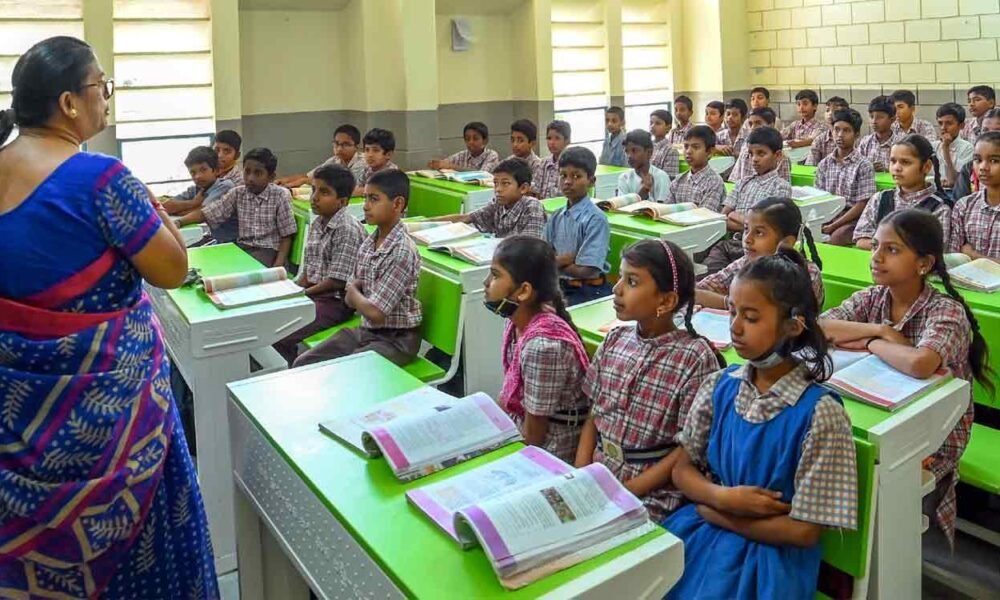
Telangana is preparing for a major overhaul of its school education system, with the state government announcing plans to integrate Classes 11 and 12 into existing schools and phase out the separate intermediate college structure.
Chief Minister A Revanth Reddy announced the proposed reform following a review meeting with education department officials on November 11, 2026.
The transition is expected to begin from the 2027–28 academic year, replacing the existing arrangement under which students move to separate junior colleges after completing their Class 10 examinations.
What will the new education structure look like?
Under the proposed framework, Telangana’s education system will be reorganised into three broad stages:
- Primary education: Kindergarten to Class 4.
- Secondary education: Classes 5 to 8.
- Senior secondary education: Classes 9 to 12.
The government intends to create a more continuous learning environment, reducing the administrative and institutional transition students currently experience after Class 10.
Why is Telangana considering this reform?
One of the major concerns highlighted by the state government is student dropout after Class 10.
According to the figures cited by the Chief Minister, approximately 40% of students, particularly girls and those belonging to Dalit, tribal and minority communities, leave the education system instead of transitioning to intermediate colleges.
The government believes integrating Classes 11 and 12 into schools could improve continuity and access to senior secondary education.
What could change for students?
The proposed system is expected to place greater emphasis on language proficiency, communication skills and specialised learning.
Students will also have opportunities to explore subjects according to their interests before entering higher education.
However, the success of the reform will depend on infrastructure, teacher availability, laboratory facilities and the ability of existing schools to accommodate senior secondary classes.
The transition will also require administrative coordination between the School Education Department and the Telangana Board of Intermediate Education.
The bigger question
Telangana’s proposed reform could become an important test case for restructuring school education in India.
But can bringing Classes 11 and 12 into schools actually reduce dropout rates and improve learning outcomes?
The answer will depend on implementation, not merely institutional restructuring.

No Comment! Be the first one.