








Public Anger Grows After NEET UG 2026 Cancellation as Students Demand Accountability
Social Media Flooded With Reactions Over Examination Controversy Public frustration and student outrage intensified across India after the cancellation of NEET UG 2026, with lakhs of aspirants and...

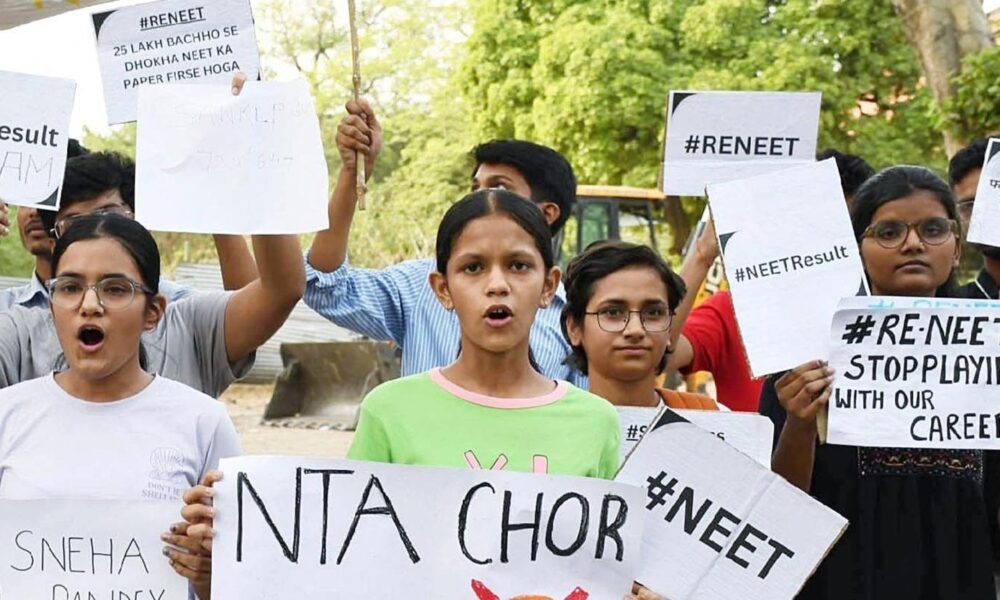
Social Media Flooded With Reactions Over Examination Controversy
Public frustration and student outrage intensified across India after the cancellation of NEET UG 2026, with lakhs of aspirants and parents questioning the credibility of the country’s competitive examination system following allegations of paper leaks and organised malpractice.
Social media platforms remained flooded with reactions throughout the day as hashtags linked to NEET cancellation, examination transparency, and student justice trended across X, Instagram, and YouTube.
Many students expressed anger over the emotional and financial pressure created by the decision, arguing that genuine candidates are being forced to suffer because of alleged failures in examination security and administrative monitoring.
Several parents also raised concerns regarding mental stress, coaching expenses, travel costs, and uncertainty surrounding revised examination schedules for medical aspirants preparing for one of India’s most competitive entrance tests.
Students from states including Bihar, Rajasthan, Uttar Pradesh, Maharashtra, and Delhi shared videos and online statements demanding stricter accountability against officials and organised cheating networks linked to the controversy.
Political Reactions and Education Debate Intensify Nationwide
The issue has rapidly evolved into a major national education debate, with opposition parties accusing authorities of failing to protect the integrity of competitive examinations affecting lakhs of students every year.
Supporters of the government, however, argued that cancelling the examination and ordering a CBI probe demonstrated the administration’s willingness to take strict corrective action instead of ignoring irregularities.
Education experts say the controversy has once again exposed growing public distrust surrounding examination security, paper leak networks, and institutional accountability within India’s highly competitive admission ecosystem.
Several student organisations are now demanding long-term reforms including stronger digital monitoring, stricter anti-cheating laws, faster investigation systems, and increased transparency in examination management.
The broader public reaction reflects rising pressure on authorities to restore confidence in national-level examinations as student competition and dependence on entrance-based admissions continue increasing across the country.







No Comment! Be the first one.