








Karnataka Brings Back Student Union Elections After 37 Years
Karnataka has brought student union elections back to colleges and universities after a gap of 37 years, with the state government issuing an official order to restart the process. The move will give...

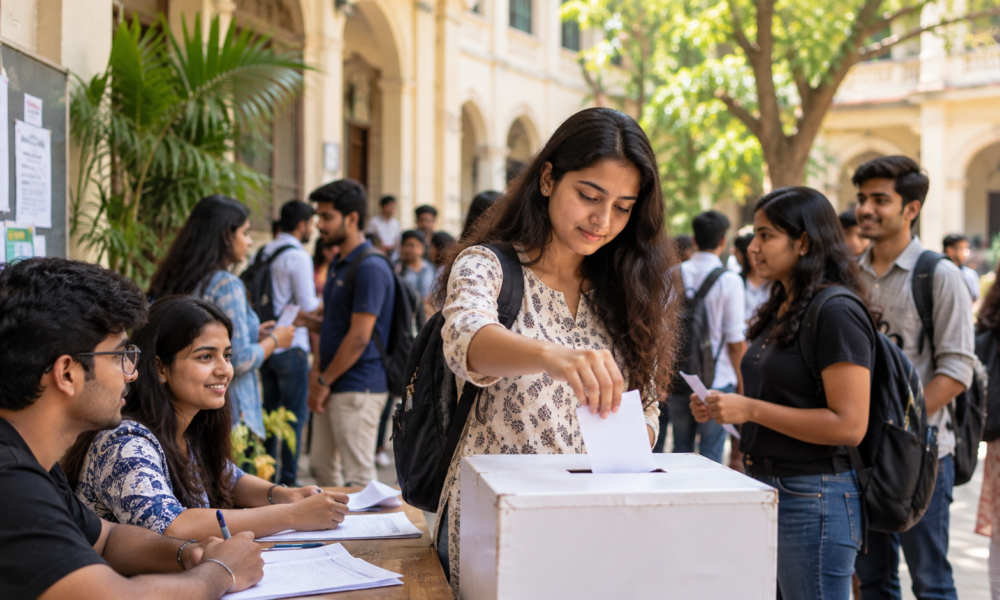
Karnataka has brought student union elections back to colleges and universities after a gap of 37 years, with the state government issuing an official order to restart the process. The move will give students a formal platform to elect representatives and raise issues related to campus life, while political parties and their student organisations will not be allowed to contest under their banners.
The decision follows approval from the Karnataka Cabinet earlier this week. Deputy Chief Minister G Parameshwara said the return of student elections is intended to help students develop leadership qualities, responsibility and an understanding of democratic processes. The government had earlier formed a committee headed by Minister Sharan Prakash Patil to examine the issue before taking the decision.
The first phase will cover government, aided and private colleges under the Department of Collegiate Education. The order also provides for student elections in colleges affiliated with universities under several departments, including Higher Education, Technical Education, Medical Education, Agriculture, Animal Husbandry and Horticulture.
Under the proposed structure, each student union will have a president, two vice-presidents, two general secretaries and two joint secretaries, along with a six-member executive committee. In co-educational institutions, one vice-president and one joint secretary will be reserved for women. Two positions in the executive committee will also be reserved for female students.
The elections will not be mandatory. Students at an institution will have the choice of whether they want an election to take place. If students decide against holding polls, the college management cannot impose an election on them. The detailed process and schedule are expected to be announced separately.
The government has also placed restrictions on campaigning. Political parties will not be permitted to participate in the elections, while students who belong to political student organisations may still contest, provided they do not campaign using the banner of those organisations. Candidates must be officially enrolled at the institution where they are contesting.
The new rules also seek to keep election campaigns away from practices that could damage campus relations. Posters and banners have been prohibited, with A5-sized leaflets allowed. Social media campaigning will be permitted, but content that promotes hatred, jealousy or hostility among students will not be allowed. Candidates must also have maintained at least 75 per cent attendance in the previous academic year and must not have a criminal record.
Student elections were banned in Karnataka in 1989 after violence and clashes on campuses. The ban remained in place for more than three decades. The decision to revive elections therefore marks a significant change in the way students can participate in campus affairs.
The government has chosen not to introduce caste-based reservation in student unions. Officials have said the aim is to keep caste and religion away from the electoral process and focus instead on student representation and leadership.
For students, the return of elections could create a direct route for raising concerns about academic facilities, student services, campus infrastructure and other everyday issues. It also gives young people an opportunity to experience elections and representative decision-making before entering wider public life.
The immediate focus will now be on how colleges implement the order and how students respond to the option of holding elections. The state has indicated that measures will be taken to prevent factionalism and election-related violence, while the detailed arrangements are expected to shape how the new system works on campuses.



No Comment! Be the first one.