








Haryana to Introduce 10-Day Bagless Learning Programme in 250 PM SHRI Schools
Haryana is set to introduce a 10-day bagless learning programme across 250 PM SHRI government schools during the 2026-27 academic session, giving students an opportunity to learn through practical...
Haryana is set to introduce a 10-day bagless learning programme across 250 PM SHRI government schools during the 2026-27 academic session, giving students an opportunity to learn through practical activities, field visits and hands-on projects rather than relying only on conventional classroom lessons.
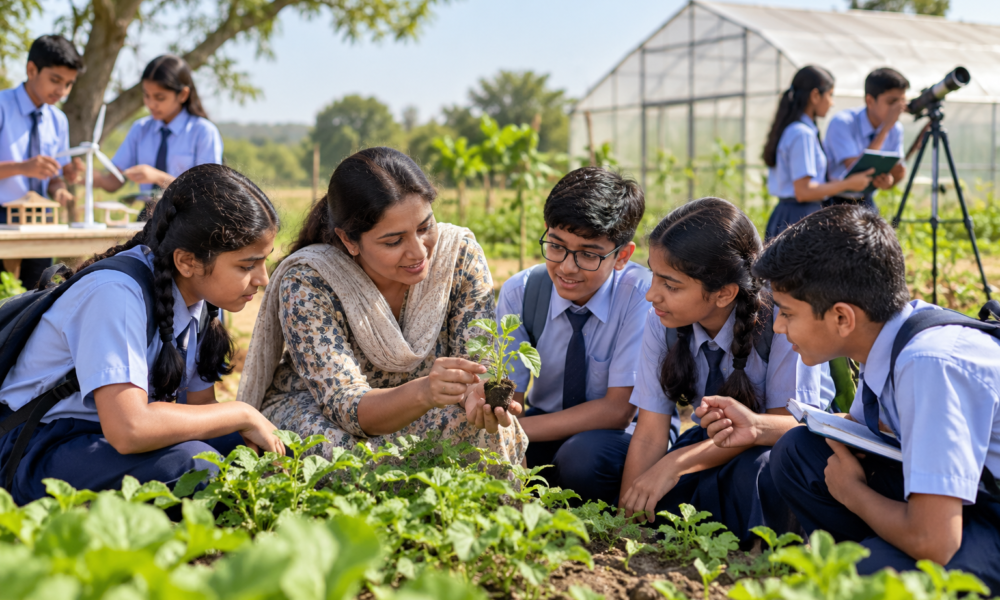
The programme is aimed particularly at Class 6 students and is designed to expose them to vocational skills, traditional occupations and emerging areas of work. Students will be encouraged to explore learning beyond textbooks through visits to farms, markets, industries and historical sites.
Under the initiative, participating students will undertake three projects as part of their learning experience. The projects are intended to connect classroom concepts with activities and situations that students can observe in their communities.
A total of 551 skill sectors have been identified for the programme. These include areas linked to traditional skills as well as newer fields influenced by technology and changing employment patterns. The approach reflects the growing emphasis on giving school students an early understanding of skills and different career possibilities.
The Haryana government has approved Rs 9.3 crore for implementing the programme. The funding will support activities required to provide students with practical learning opportunities across the participating schools.
The initiative follows the broader direction of the National Education Policy 2020, which places greater emphasis on experiential learning, vocational education and the development of skills alongside academic knowledge. The bagless period is intended to make learning more interactive by taking students outside the usual school environment and allowing them to engage directly with people, workplaces and local institutions.
For students, the programme could provide exposure to aspects of working life that are rarely covered through regular lessons. A visit to a farm, for example, can introduce students to agricultural practices and local livelihoods, while an industry visit can help them understand how products are made and how different roles contribute to an organisation.
The inclusion of traditional occupations is also significant. Schools can use these activities to introduce students to skills and knowledge that exist within local communities. At the same time, exposure to emerging technologies can help students understand how established skills are changing as new tools and methods enter the workplace.
The programme also places greater responsibility on schools and teachers to plan meaningful activities. Simply taking students outside the classroom will not be enough to make the exercise effective. Projects and field visits will need to be connected with lessons so that students can reflect on what they have observed and understand how it relates to their studies.
The 10-day model also represents a shift in the way school education can approach skill development. Rather than treating vocational exposure as something reserved for older students, the programme introduces students to different skills and occupations at an earlier stage.
Haryana’s move comes as schools across India continue to explore ways of making education more practical and relevant to everyday life. With 250 PM SHRI schools participating, the programme will provide a sizeable test of how bagless learning can work within the school system.
If implemented effectively, the initiative could give students a broader understanding of learning, work and careers while helping schools build stronger links between education and real-world experience. The outcome will depend on the quality of projects, teacher participation and the value of the experiences provided to students during the 10-day programme.





No Comment! Be the first one.