








CBSE Launches New Initiatives to Strengthen Skill-Based Learning in Schools
The Central Board of Secondary Education (CBSE) is continuing its push toward skill-oriented education, introducing measures aimed at enhancing practical learning and preparing students for future...

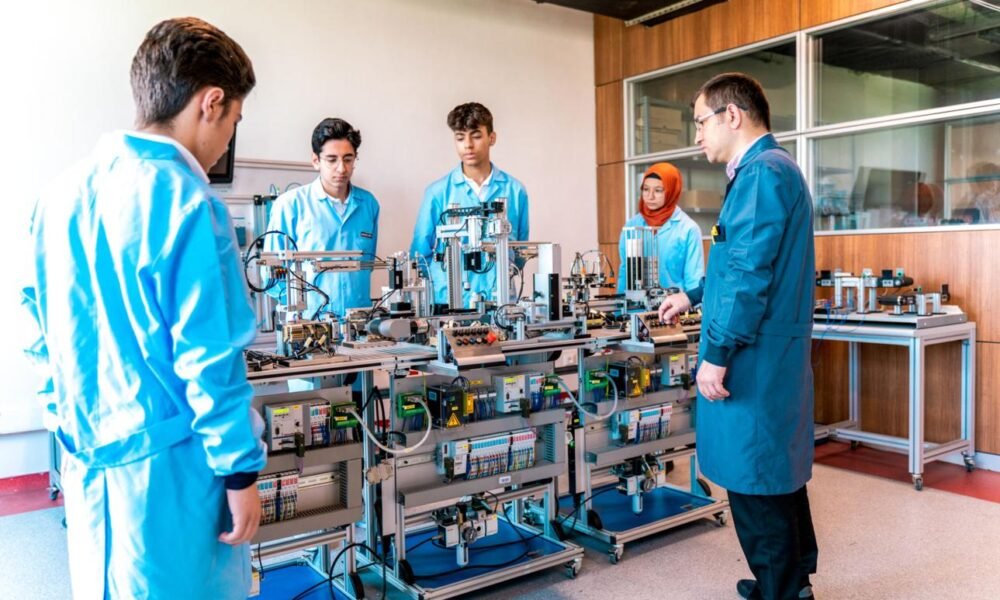
The Central Board of Secondary Education (CBSE) is continuing its push toward skill-oriented education, introducing measures aimed at enhancing practical learning and preparing students for future career opportunities. The initiative aligns with broader education reforms that emphasize experiential learning, vocational education and industry-relevant skills alongside traditional academic instruction.
Education experts believe that skill-based learning is becoming increasingly important as employers seek graduates who possess practical competencies in addition to academic knowledge. Recognizing this shift, schools affiliated with CBSE are expanding opportunities for students to participate in hands-on projects, vocational courses and real-world learning experiences.
The board has encouraged schools to integrate skill development into classroom activities through project-based learning, innovation programs and technology-driven educational tools. Such approaches are designed to help students develop problem-solving abilities, creativity, teamwork and communication skills that are highly valued in modern workplaces.
Vocational education has emerged as a key component of these efforts. Students are being exposed to subjects ranging from Information Technology and Artificial Intelligence to financial literacy and entrepreneurship. Education leaders believe that early exposure to diverse career pathways can help learners make more informed academic and professional choices.
Technology is also playing a significant role in supporting skill-based education. Digital platforms, virtual labs and interactive learning resources are enabling students to gain practical experience while complementing traditional teaching methods. Schools are increasingly adopting technology-driven solutions to enhance engagement and improve learning outcomes.
The focus on skills development aligns closely with the objectives of the National Education Policy (NEP) 2020, which advocates multidisciplinary learning and greater flexibility within the education system. Policymakers view skill development as essential for preparing students to succeed in a rapidly changing economy shaped by technological advancement and innovation.
Teachers are receiving additional support through training programs that help them implement experiential learning methodologies more effectively. Education experts note that teacher preparedness is critical for ensuring successful integration of skill-based learning within school curricula.
Industry stakeholders have welcomed the growing emphasis on practical education, highlighting the need for stronger alignment between academic learning and workforce requirements. Collaborative initiatives between educational institutions and industry organizations are expected to play an increasingly important role in bridging this gap.
As schools continue to adapt to evolving educational priorities, skill-based learning is expected to become a more prominent feature of classroom instruction. The shift reflects a broader effort to equip students with the knowledge, adaptability and practical skills needed to thrive in future academic and professional environments.
With education systems increasingly focused on holistic development, initiatives promoting experiential and vocational learning are likely to shape the future direction of school education in India.




No Comment! Be the first one.