







Online Learning Safety: How Students Can Protect Their Privacy
Online classes, learning apps and digital student accounts make educational resources easier to access. They also mean that students need to understand basic digital safety. A secure learning routine...

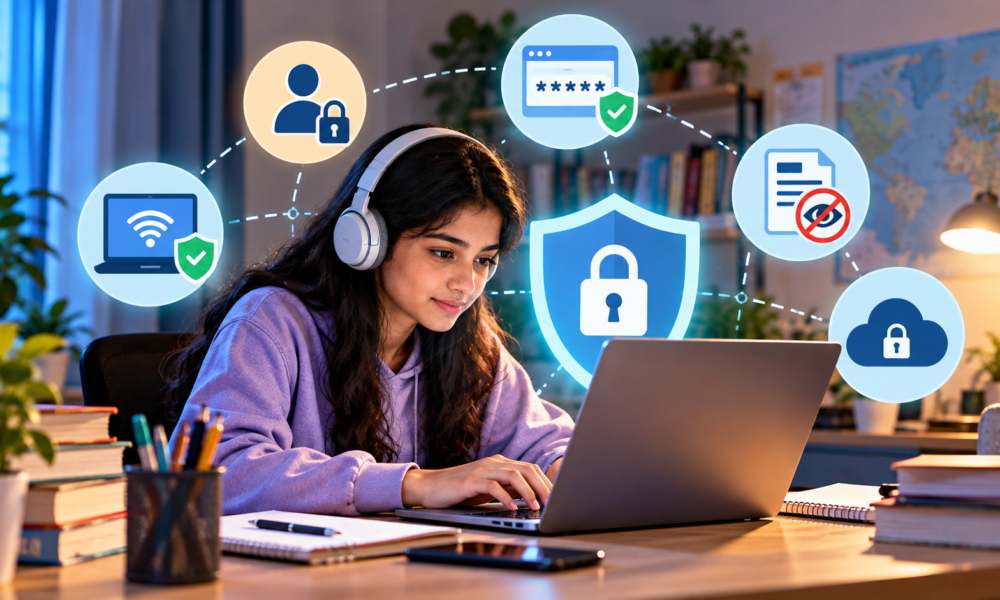
Online classes, learning apps and digital student accounts make educational resources easier to access. They also mean that students need to understand basic digital safety.
A secure learning routine does not require advanced technical knowledge. It begins with protecting account access, checking websites and thinking carefully before sharing personal information.
Use strong, unique passwords
Students should avoid using the same password for every learning platform. Where available, enable multi-factor authentication and keep recovery information secure.
Never share an OTP, password or account recovery code with someone who claims to be a teacher, platform representative or technical-support agent. Verify unusual requests through an independently confirmed contact channel.
Check links before opening them
Messages promising exam results, scholarships, certificates or urgent account updates can be used to lure students to fraudulent websites. Check the sender and the website address before entering login details.
Do not install unknown applications or browser extensions simply because a message claims they are required for an examination or online course.
Protect personal information
Avoid posting identity documents, student IDs, home addresses, phone numbers or private academic records publicly. Use only the information a legitimate service requires and review its privacy settings.
Students using shared computers should sign out after a session and avoid saving passwords on public devices.
What should parents and teachers do?
Parents and teachers can discuss suspicious messages without blaming students who make mistakes. If an account is compromised, change the password from a trusted device, secure linked accounts and report the incident through the appropriate official channel.
The takeaway
Digital education works best when access and safety go together. A few consistent habits can help students protect their accounts and focus on learning.






No Comment! Be the first one.