








UGC Directs Universities to Integrate SWAYAM MOOCs into July 2026 Semester Curriculum
The University Grants Commission (UGC) has directed universities and higher education institutions across India to integrate SWAYAM (Study Webs of Active-Learning for Young Aspiring Minds) Massive...


The University Grants Commission (UGC) has directed universities and higher education institutions across India to integrate SWAYAM (Study Webs of Active-Learning for Young Aspiring Minds) Massive Open Online Courses (MOOCs) into the July 2026 academic semester. The move aims to strengthen blended learning, expand access to quality digital education and provide students with greater academic flexibility under the National Education Policy (NEP) 2020.
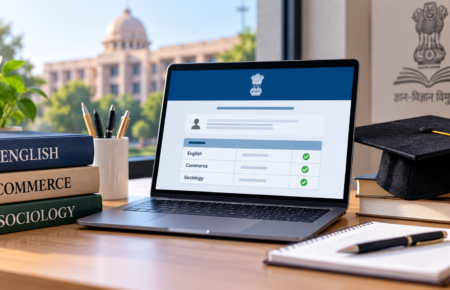
In its advisory to vice-chancellors, higher education secretaries and college principals, the UGC has instructed institutions to identify suitable SWAYAM courses that align with existing degree programmes and facilitate student registration before the prescribed deadlines. Universities are expected to incorporate these online courses into their academic curriculum rather than treating them as optional learning resources.
A key feature of the new directive is that colleges will now be permitted to conduct SWAYAM examinations on their own campuses, making the assessment process more accessible and convenient for students. This is expected to increase participation in online courses while reducing logistical challenges associated with examination centres.
Education experts believe the initiative will help students gain additional skills beyond their regular curriculum. SWAYAM offers courses developed by leading institutions such as IITs, IIMs, central universities and other premier educational organisations, covering disciplines ranging from engineering and management to humanities, sciences and vocational education.
The integration of MOOCs into university programmes also supports multidisciplinary learning by allowing students to explore subjects outside their primary field of study. Experts say this approach encourages lifelong learning, enhances employability and enables learners to develop industry-relevant competencies alongside their formal degree.
Higher education institutions have been advised to map SWAYAM courses with their curriculum and create awareness among students regarding available learning opportunities. Faculty members are also expected to guide students in selecting courses that complement their academic and career goals.
The latest directive reflects the UGC’s continued focus on expanding digital education and making higher education more flexible, accessible and skill-oriented. As universities implement the new guidelines during the July 2026 semester, students are expected to benefit from greater academic choice and improved learning opportunities through India’s national online education platform.





No Comment! Be the first one.