








State Education Departments Announce Key Updates Ahead of New Academic Session
As schools and educational institutions across India prepare for the new academic session, several state governments have announced important updates related to school reopening schedules, student...

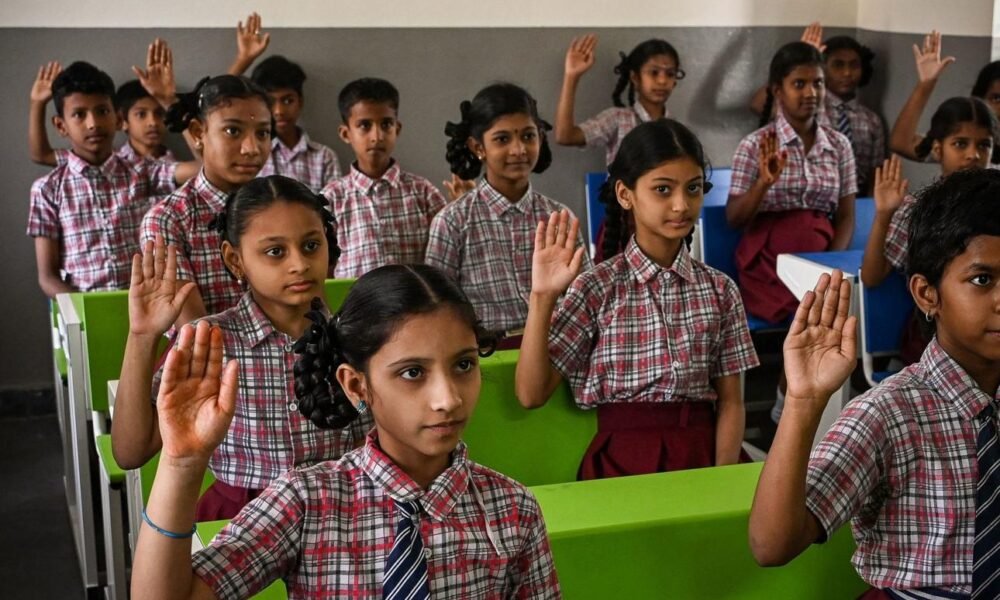
As schools and educational institutions across India prepare for the new academic session, several state governments have announced important updates related to school reopening schedules, student welfare initiatives and education administration. These developments reflect the continued focus on improving learning outcomes while addressing local challenges such as weather conditions, academic accessibility and school management.
One of the most significant updates has come from Telangana, where the state government revised the reopening schedule for schools following representations from stakeholders. The School Education Department announced that all government and private schools in the state will reopen on June 15 instead of the previously scheduled June 12. Officials stated that the adjustment was made after considering requests from parents, teachers and other stakeholders.
In Maharashtra, the education sector witnessed a major development after the Nagpur Bench of the Bombay High Court directed that schools in the Vidarbha region should reopen from June 30. The court emphasized that reopening schedules must take regional climatic conditions into account, particularly in areas that experience extreme summer temperatures. The decision is expected to impact thousands of students and schools across the region.
Meanwhile, Rajasthan’s Education Department has revised the eligibility criteria for the prestigious Bhamashah Awards, which recognize contributions made towards educational development. The updated guidelines include changes to donation thresholds and project-related criteria, reflecting the state’s effort to encourage greater participation in educational initiatives and infrastructure development.
Delhi’s education authorities have also introduced measures aimed at reducing student dropouts. Government schools have been directed to counsel students who repeatedly fail Class IX examinations and guide them toward alternative educational pathways, including enrollment through the National Institute of Open Schooling (NIOS). Education experts believe the move could help more students remain connected to formal learning systems rather than discontinuing their education altogether.
Higher education institutions are simultaneously preparing for the 2026-27 admission cycle. Universities and colleges across the country are releasing admission schedules, application guidelines and student support initiatives. The University Grants Commission has also continued to push implementation of the Academic Bank of Credits (ABC), directing institutions to upload academic records by June 30 as part of the ongoing digital transformation of higher education.
Education experts note that these state-level decisions highlight the growing emphasis on student-centric governance and localized policy implementation. Rather than adopting a one-size-fits-all approach, authorities are increasingly tailoring educational policies based on regional requirements and institutional needs.
As the new academic session begins across different parts of the country, state governments are expected to continue introducing measures focused on accessibility, academic continuity and educational quality. The latest announcements indicate a broader effort to strengthen the education ecosystem while ensuring that policies remain responsive to students, parents and educators.






No Comment! Be the first one.