







Education Infrastructure in India: Schools, Facilities and Development
Education infrastructure plays an important role in helping students learn. Schools need safe classrooms, clean drinking water, toilets, electricity, libraries and suitable learning materials....

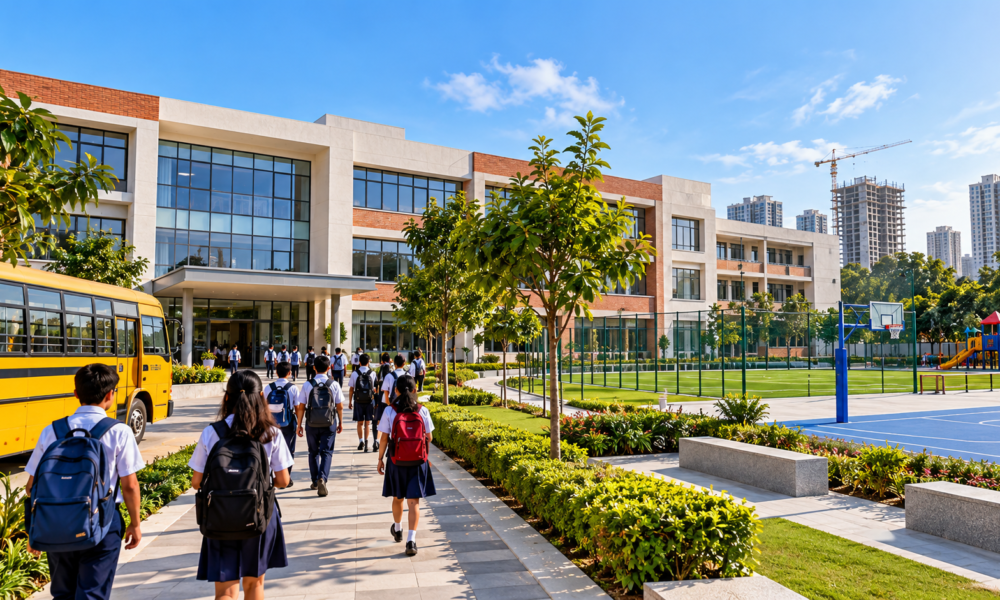
Education infrastructure plays an important role in helping students learn. Schools need safe classrooms, clean drinking water, toilets, electricity, libraries and suitable learning materials. Digital tools and internet access are also becoming important in modern education.
What Is Education Infrastructure?
Education infrastructure includes the buildings, facilities, equipment and technology used by schools, colleges and other educational institutions.
It covers classrooms, laboratories, libraries, playgrounds, sanitation facilities, computers and internet connections. Good infrastructure helps teachers deliver lessons and gives students a suitable environment for learning.
Why Does School Infrastructure Matter?
A safe and comfortable school can support attendance, concentration and participation. Clean toilets and drinking water are important for student health, while well-equipped classrooms can support different teaching methods.
Science laboratories, libraries and computer facilities can also help students gain practical knowledge. However, infrastructure alone cannot guarantee good results. Qualified teachers, suitable learning materials and effective school management matter too.
Education Infrastructure in India
India has a large school education system serving students across urban and rural areas. According to UDISE+ statistics for the 2025–26 academic year, the country has approximately 14.67 lakh schools.
The official UDISE+ system collects information about school facilities, students and teachers. These figures help policymakers and education authorities understand the condition of the school system.
Key Challenges
Some schools may need improvements in classrooms, sanitation, electricity, internet access or specialist facilities. Rural and remote areas can face different challenges from large cities.
Maintaining existing buildings and equipment is also important. A school may have a computer laboratory, for example, but students benefit only when the equipment works and teachers can use it effectively.
The Role of Technology
Digital classrooms, online learning platforms and computer laboratories can expand access to educational resources. However, schools need reliable electricity, internet connections, technical support and appropriate training.
Technology should support teaching rather than replace the need for teachers and direct interaction.
What Needs to Improve?
Education infrastructure planning should focus on safety, accessibility, maintenance and equal access to basic facilities. Schools also need suitable resources for students with disabilities.
Regular inspections and reliable data can help authorities identify gaps and decide where investment is most necessary.
Conclusion
Education infrastructure is an important part of India’s education system. Safe buildings, clean facilities, trained teachers and useful learning resources can work together to create better conditions for students.
The long-term goal should be to ensure that every student has access to a safe and supportive place to learn.






No Comment! Be the first one.