








CBSE Issues Guidelines for Three-Language Policy, Exempts Current Class 10 Students
The Central Board of Secondary Education (CBSE) has released detailed guidelines for implementing the three-language policy under the National Education Policy (NEP) 2020, assuring schools and...

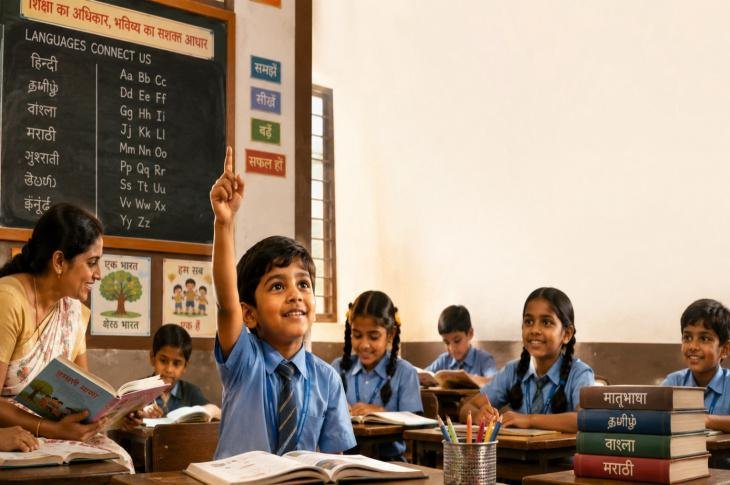
The Central Board of Secondary Education (CBSE) has released detailed guidelines for implementing the three-language policy under the National Education Policy (NEP) 2020, assuring schools and students that “no one shall be disadvantaged” during the transition. As part of the new framework, current Class 10 students have been exempted from the revised language requirements.
According to the guidelines, the three-language structure will be introduced progressively for students beginning with Class 9 from the 2026–27 academic session. While students will study three languages, only two languages will be assessed in the Class 10 Board Examination, and the third language will not carry a separate board examination. This approach aims to encourage multilingual learning without increasing examination pressure.
CBSE has clarified that schools should ensure flexibility while implementing the policy and provide students with suitable language options based on available resources. The Board has also instructed schools to support students throughout the transition so that academic continuity is maintained without affecting their learning outcomes.
Education experts believe the revised framework aligns with the objectives of NEP 2020 by promoting multilingualism, improving language proficiency and preserving India’s linguistic diversity. The policy also seeks to strengthen communication skills while encouraging students to learn regional, classical or foreign languages depending on their school’s offerings.
School administrators have been advised to update curriculum planning, teacher deployment and academic schedules in accordance with the revised guidelines. Parents and students are encouraged to consult their schools regarding available language combinations before making subject selections for the upcoming academic session.
Experts note that multilingual education has been associated with improved cognitive development, communication abilities and cultural awareness. By reducing examination pressure for the third language, CBSE aims to create a more student-friendly approach while meeting the broader goals of educational reform.
The latest guidelines reaffirm CBSE’s commitment to implementing NEP 2020 in a phased and inclusive manner. By exempting current Class 10 students and gradually introducing the new policy, the Board aims to ensure a smooth transition for schools while promoting meaningful language learning across the country.







No Comment! Be the first one.