








India Expands Heatstroke Preparedness as Hospitals Report Rise in Summer-Related Emergencies
Healthcare authorities across India have intensified heatstroke preparedness measures as several regions continue to experience prolonged spells of extreme heat. Hospitals, emergency departments and...

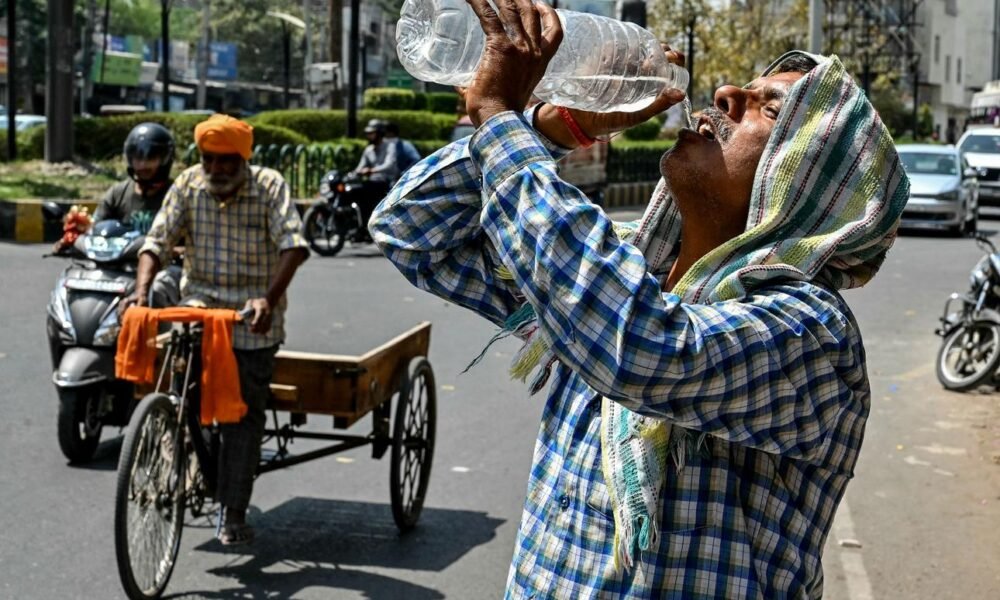
Healthcare authorities across India have intensified heatstroke preparedness measures as several regions continue to experience prolonged spells of extreme heat. Hospitals, emergency departments and public health agencies have been directed to strengthen response systems to manage an increase in heat-related illnesses, particularly among vulnerable populations. Reports from multiple states indicate a seasonal rise in cases of dehydration, heat exhaustion and heatstroke, prompting renewed public health advisories.
Medical experts warn that prolonged exposure to high temperatures can lead to serious complications, including heatstroke, which is considered a medical emergency requiring immediate treatment. Children, older adults, outdoor workers, pregnant women and individuals with chronic illnesses remain the most vulnerable groups during periods of extreme heat.
Hospitals have increased the availability of emergency beds, intravenous fluids, cooling equipment and trained medical personnel to respond to seasonal cases. Healthcare institutions are also reviewing emergency protocols to ensure rapid treatment for patients presenting with symptoms such as dizziness, confusion, high body temperature and dehydration.
State health departments have launched awareness campaigns encouraging citizens to stay hydrated, avoid direct sun exposure during peak afternoon hours and seek immediate medical attention if symptoms worsen. Public advisories also recommend wearing light-colored clothing, consuming adequate fluids and limiting strenuous outdoor activities during extreme heat conditions.
Public health specialists note that climate-related health challenges are becoming increasingly important within healthcare planning. Seasonal heatwaves not only affect individual health but also place additional pressure on emergency medical services and hospital infrastructure. Authorities are therefore strengthening surveillance and preparedness measures before the peak summer period.
Technology is supporting healthcare responses through weather alerts, digital public health messaging and emergency communication systems that help disseminate timely information to communities. Hospitals are coordinating with local administrations to ensure faster response in high-risk districts.
Experts believe that early awareness and preventive action remain the most effective ways to reduce heat-related illnesses. Community participation, workplace safety measures and coordinated healthcare planning are expected to play a vital role in protecting public health during periods of extreme weather.
The continued focus on heatstroke preparedness reflects India’s broader commitment to strengthening climate-resilient healthcare systems. Investments in emergency response, public awareness and healthcare infrastructure are expected to improve the country’s ability to manage seasonal public health challenges.
As temperatures remain elevated across several parts of the country, healthcare authorities continue to urge citizens to follow official advisories and adopt preventive measures. The ongoing preparedness efforts aim to minimize health risks while ensuring timely medical care for those affected by extreme heat.







No Comment! Be the first one.