








AIIMS Nagpur Achieves First In-House Pediatric Organ Donation, Giving New Hope to Child Patient
AIIMS Nagpur has achieved a significant milestone in organ transplantation by successfully completing its first in-house pediatric deceased organ donation. The landmark achievement enabled doctors to...

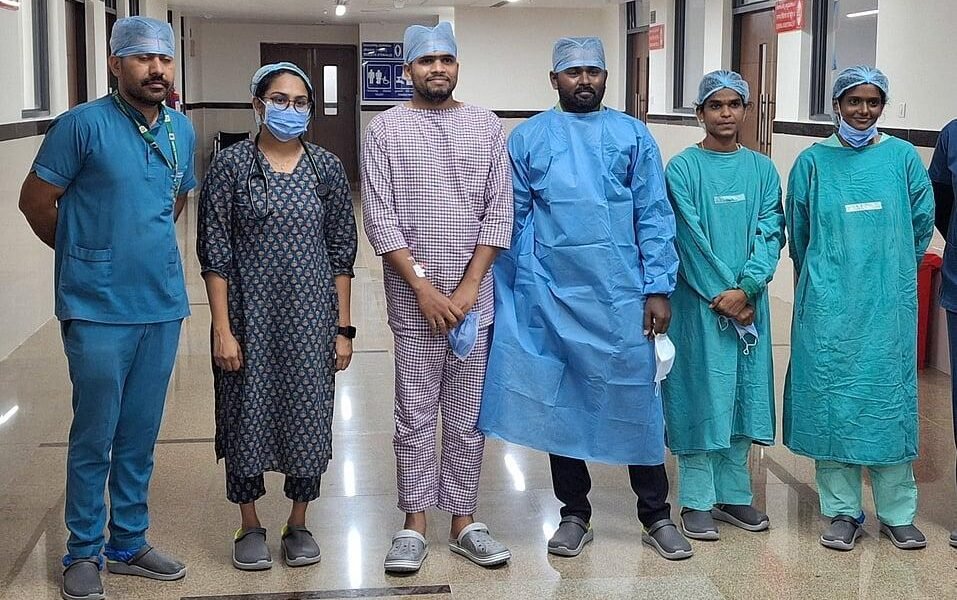
AIIMS Nagpur has achieved a significant milestone in organ transplantation by successfully completing its first in-house pediatric deceased organ donation. The landmark achievement enabled doctors to perform a life-saving kidney transplant for a child suffering from end-stage kidney disease, highlighting the growing capabilities of India’s organ donation and transplant ecosystem.
According to AIIMS Nagpur, the donor was a six-year-old child who was declared brain dead despite extensive medical efforts. In an extraordinary act of compassion, the child’s family consented to donate the kidneys, allowing another young patient to receive a life-saving transplant. Medical experts described the decision as a powerful example of how organ donation can transform lives.
Due to the donor’s young age and organ size, surgeons performed an advanced en bloc kidney transplant, a specialized procedure in which both kidneys are transplanted together into the recipient. The operation was carried out successfully by the institute’s multidisciplinary transplant team following national organ allocation guidelines.
Healthcare professionals noted that pediatric organ donation remains relatively rare in India because of medical, logistical and awareness-related challenges. Every successful pediatric donation not only saves lives but also strengthens confidence in the country’s transplant infrastructure and encourages greater public awareness about organ donation.
AIIMS Nagpur’s achievement also reflects the importance of coordinated efforts involving intensive care specialists, transplant surgeons, anesthetists, transplant coordinators, nursing staff and organ allocation authorities. Such collaboration is essential for ensuring successful retrieval, preservation and transplantation of donor organs.
Public health experts continue to emphasize that India faces a significant shortage of donor organs compared with the number of patients awaiting transplants. Increasing awareness about deceased organ donation and encouraging timely family consent remain critical for improving access to life-saving treatment.
The National Organ and Tissue Transplant Organisation (NOTTO) continues to promote organ donation awareness while strengthening the country’s transplant network through improved coordination and digital registries. These initiatives aim to reduce waiting times and improve transparency in organ allocation.
Medical professionals believe continued investment in transplant infrastructure, public education and hospital preparedness will help expand access to advanced organ transplantation services across India. The success at AIIMS Nagpur demonstrates how compassionate decisions and coordinated healthcare systems can provide hope to patients awaiting transplants.
The achievement marks another important step in India’s efforts to strengthen organ donation and specialized healthcare services. As awareness continues to grow, healthcare leaders hope more families will consider organ donation, giving countless patients a second chance at life.







No Comment! Be the first one.