








Gujarat Board Moves to Secure National Recognition for Vocational Education
The Gujarat Secondary and Higher Secondary Education Board (GSHSEB) has received approval from the state government to apply for recognition as an Awarding Body from the National Council for...

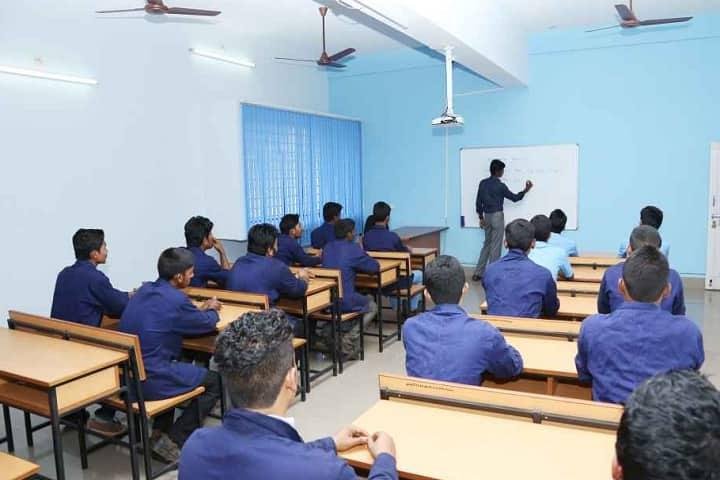
The Gujarat Secondary and Higher Secondary Education Board (GSHSEB) has received approval from the state government to apply for recognition as an Awarding Body from the National Council for Vocational Education and Training (NCVET). The move is expected to strengthen vocational education by enabling students to receive nationally recognized skill-based certifications.
If approved, the recognition will allow the Gujarat Board to issue vocational certificates that are aligned with national skill standards. Education experts believe this will improve the credibility of vocational courses while making students more competitive in higher education and the job market.
Vocational education has become an important pillar of India’s education reforms under the National Education Policy (NEP) 2020. Policymakers have consistently emphasized integrating skill-based learning into school education so students can develop industry-relevant competencies alongside academic knowledge.
Officials believe the NCVET recognition will help standardize vocational programs across schools in Gujarat. Students pursuing courses in sectors such as Information Technology, Healthcare, Electronics, Agriculture and Retail could benefit from certifications that are recognized nationwide.
Industry leaders have welcomed the initiative, stating that nationally aligned vocational qualifications improve employability and help bridge the gap between education and workforce requirements. Employers increasingly seek candidates with practical skills that match industry standards.
The initiative is also expected to encourage greater collaboration between schools, training providers and industry partners. Such partnerships can provide students with internships, hands-on learning opportunities and better exposure to workplace practices.
Education specialists note that vocational education is no longer viewed as an alternative pathway but as an essential component of modern schooling. Strong skill-based programs can help students pursue employment, entrepreneurship or higher technical education after completing school.
Technology-enabled learning, modern laboratories and competency-based assessments are expected to play a greater role as vocational education continues to expand. These improvements can help ensure students graduate with practical knowledge that aligns with changing industry demands.
The Gujarat government’s decision reflects the broader national effort to modernize school education through skill development and career-focused learning. As more states strengthen vocational education systems, nationally recognized certifications are expected to become increasingly valuable for students across India.







No Comment! Be the first one.