








Skill-Based Learning Becomes a Key Focus Area for Schools and Universities
Educational institutions across India are increasingly prioritizing skill-based learning as they seek to prepare students for a rapidly evolving job market. Schools, colleges and universities are...

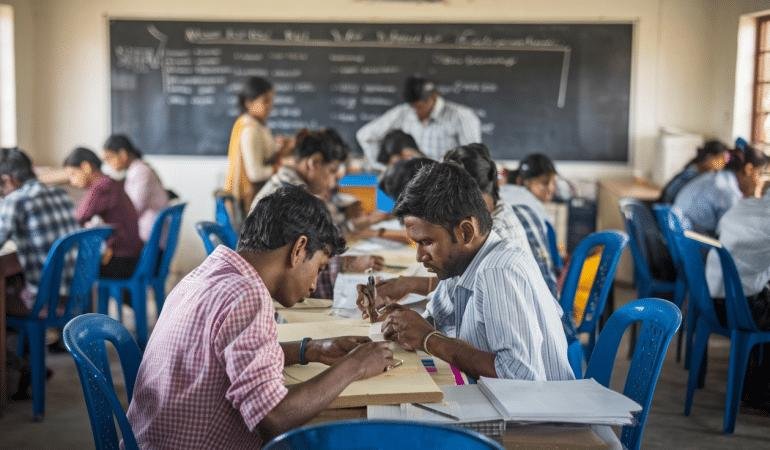
Educational institutions across India are increasingly prioritizing skill-based learning as they seek to prepare students for a rapidly evolving job market. Schools, colleges and universities are expanding practical learning opportunities, industry exposure programs and vocational education initiatives to ensure students graduate with both academic knowledge and workplace-ready skills.
The growing emphasis on skills development reflects changing employer expectations. While academic qualifications remain important, organizations are increasingly seeking candidates who can demonstrate problem-solving abilities, communication skills, adaptability and technical expertise. As a result, educational institutions are redesigning learning frameworks to better align with industry requirements.
The National Education Policy (NEP) 2020 has accelerated this transition by encouraging multidisciplinary education and vocational integration at multiple levels of learning. Schools are introducing experiential learning methods, while universities are expanding internship opportunities, project-based assessments and industry collaborations.
Education experts believe that skill-based learning helps bridge the gap between classroom education and real-world application. Instead of relying solely on theoretical instruction, students are encouraged to develop practical competencies through hands-on experiences and collaborative learning environments.
Technology is playing an important role in supporting this shift. Online certification programs, virtual labs and digital learning platforms are enabling students to gain exposure to emerging fields such as Artificial Intelligence, Data Analytics, Cybersecurity and Digital Marketing. These opportunities allow learners to supplement traditional education with industry-relevant skills.
Several higher education institutions have also strengthened partnerships with companies and professional organizations. Such collaborations provide students with access to internships, mentorship programs and practical training opportunities that can improve employability after graduation.
Career counselors note that students are becoming increasingly aware of the importance of continuous learning and upskilling. As industries evolve and new technologies emerge, lifelong learning is expected to become a critical component of professional success. Educational institutions are therefore focusing not only on current job requirements but also on preparing students for future workforce demands.
The expansion of entrepreneurship programs is another notable trend. Universities are establishing innovation centers and startup incubation facilities to encourage students to develop business ideas and gain exposure to entrepreneurship. These initiatives support creativity, leadership and independent thinking while contributing to a broader culture of innovation.
Despite the progress, experts emphasize that effective implementation will require continued investment in teacher training, infrastructure and industry engagement. Ensuring equal access to skill development opportunities across regions will also remain an important priority.
As India’s education system continues to evolve, skill-based learning is expected to become an increasingly important pillar of academic development. The growing focus on practical competencies reflects a broader effort to equip students with the tools needed to succeed in a dynamic and competitive global economy.




No Comment! Be the first one.