







Digital Classrooms and Smart Learning Tools Gain Momentum Across Indian Schools
The adoption of digital classrooms and smart learning technologies is accelerating across schools in India as education systems continue to embrace technology-driven teaching methods. State...


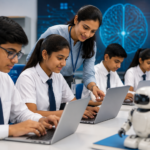
The adoption of digital classrooms and smart learning technologies is accelerating across schools in India as education systems continue to embrace technology-driven teaching methods. State governments, private institutions and educational organizations are investing in digital infrastructure to enhance classroom experiences and improve student engagement.
Over the past few years, digital learning has evolved from being a supplementary educational resource to becoming an integral part of classroom instruction. Smart boards, interactive content, learning management systems and AI-powered educational tools are increasingly being used to support teachers and improve learning outcomes.
Several states have expanded initiatives aimed at strengthening digital education infrastructure in government schools. These efforts include the installation of smart classrooms, distribution of digital learning resources and teacher training programs focused on technology integration. Education officials believe that technology can help bridge learning gaps and provide students with access to high-quality educational content regardless of location.
Teachers are also benefiting from digital platforms that simplify lesson planning, assessment and student performance tracking. Interactive learning tools enable educators to create more engaging classroom experiences while providing real-time insights into student progress. Many schools are incorporating multimedia content, virtual simulations and collaborative learning activities to make lessons more effective and engaging.
The increasing use of Artificial Intelligence in education is further transforming classroom experiences. AI-powered platforms can personalize learning pathways, identify knowledge gaps and recommend targeted learning resources based on individual student performance. Experts believe such technologies can support differentiated learning and improve academic outcomes.
Parents are also becoming more involved in the learning process through digital communication platforms. Schools are using technology to provide regular updates on attendance, assignments, assessments and student performance, creating stronger connections between educators and families.
Despite the progress, challenges remain in ensuring equitable access to digital learning tools. Infrastructure limitations, internet connectivity issues and digital literacy gaps continue to affect implementation in some regions. Education experts emphasize the need for sustained investments and capacity-building efforts to maximize the benefits of technology-enabled learning.
Government initiatives under various digital education programs continue to support the expansion of technology in schools. Policymakers view digital learning infrastructure as an important component of future-ready education systems capable of meeting the evolving needs of students and educators.
As schools prepare students for a technology-driven future, digital classrooms are expected to become increasingly common across the country. The continued integration of smart learning tools reflects a broader transformation in how education is delivered, experienced and assessed in the modern era.







No Comment! Be the first one.