








Debate Over Student Stress Intensifies as Competitive Exam Season Peaks Across India
Educators Raise Concerns Over Academic Pressure and Overlapping Schedules Concerns around academic pressure and student mental health are once again dominating education discussions as board results,...

Educators Raise Concerns Over Academic Pressure and Overlapping Schedules
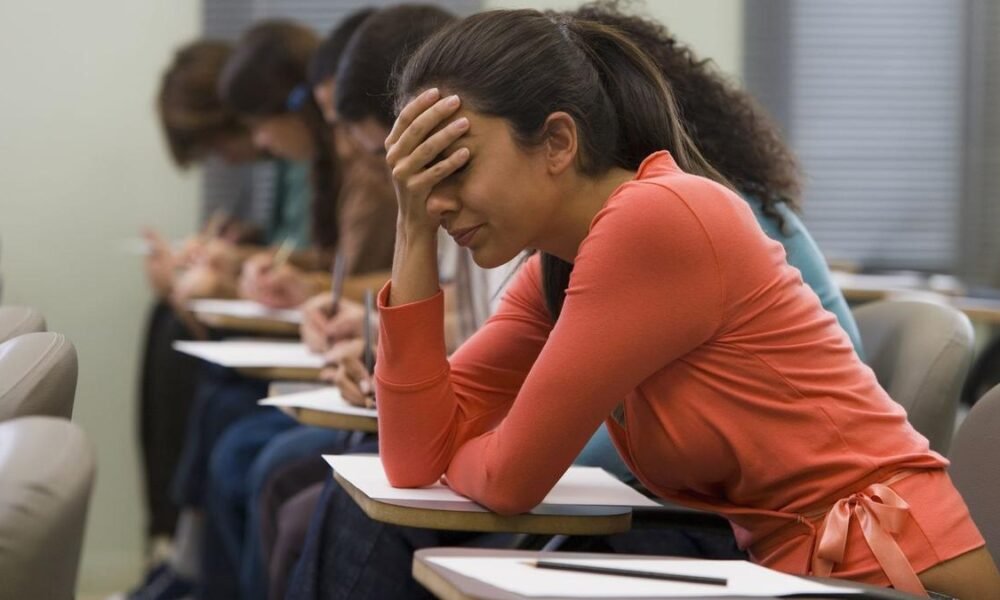
Concerns around academic pressure and student mental health are once again dominating education discussions as board results, entrance examinations, and university admissions overlap during one of the busiest academic periods of the year.
Education experts and parents have raised questions about whether the current structure of competitive examinations is placing excessive emotional strain on students, particularly those simultaneously preparing for entrance tests while awaiting board examination results.
The debate has intensified following concerns from several educators regarding tightly packed examination schedules and increasing competition for limited seats at leading universities and professional institutions.
Students appearing for examinations such as NEET UG, CUET UG, and engineering entrance tests are currently navigating multiple academic deadlines within a short period. Counsellors say the pressure often increases further due to social expectations, peer comparison, and uncertainty around admissions.
Mental health professionals have warned that prolonged stress during examination season can affect sleep, concentration, emotional well-being, and overall student confidence. They have urged families and institutions to prioritise supportive academic environments instead of focusing entirely on rankings and scores.
Calls Grow for Balanced Evaluation and Student Well-Being
Education policy observers say the discussion reflects broader concerns regarding India’s examination-centric academic culture, where marks and entrance performance continue to dominate educational outcomes.
Several experts have called for reforms aimed at reducing rote learning, encouraging flexible assessment systems, and strengthening mental health support within schools and universities.
The implementation of the National Education Policy 2020 had initially raised expectations around reducing academic pressure through multidisciplinary learning and conceptual education. However, many educators believe practical implementation remains uneven across institutions.
Counsellors are advising students to maintain healthy routines, avoid misinformation online, and focus on long-term academic planning instead of treating examination results as the sole measure of success.
The issue is expected to remain central to education policy discussions as India’s student population and competition levels continue to rise.






No Comment! Be the first one.