







Schools Are Focusing More on Critical Thinking as AI Changes Classrooms
Artificial intelligence is changing the way students learn, but education experts believe one skill is becoming more important than ever: critical thinking. As AI tools become common in classrooms,...

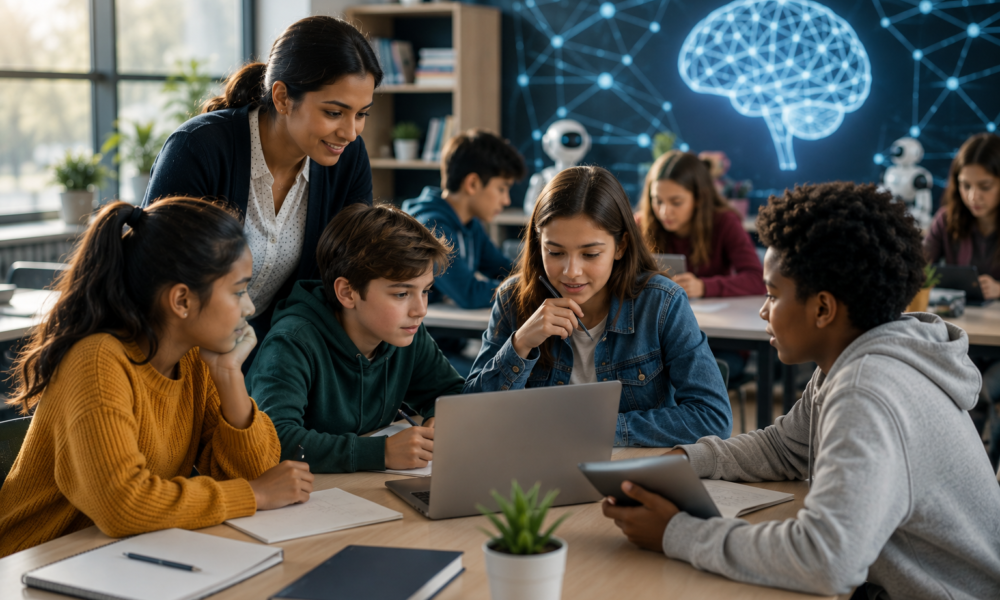
Artificial intelligence is changing the way students learn, but education experts believe one skill is becoming more important than ever: critical thinking. As AI tools become common in classrooms, schools are placing greater emphasis on helping students question information, solve problems and make independent decisions instead of simply memorising facts.
According to the latest OECD AI Literacy Framework, students should not only learn how to use AI tools but also understand how they work, recognise their limitations and identify incorrect or biased information. The framework says AI literacy should become an important part of school education, preparing young people to use technology responsibly and confidently.
Experts say the role of education is shifting from teaching students what to think to teaching them how to think. While AI can quickly generate answers, summaries and ideas, it cannot replace human judgement, creativity or ethical decision-making. Students who can analyse information, ask thoughtful questions and verify facts are expected to have a stronger advantage in both higher education and future careers.
Schools are also moving away from traditional rote learning towards project-based and experiential learning. Instead of relying only on textbooks and examinations, many classrooms now encourage students to work on real-life problems, collaborate in teams and present practical solutions. This approach helps build communication, teamwork and leadership skills alongside academic knowledge.
Technology continues to play an important role in education, but teachers remain central to the learning process. AI can support lesson planning, personalised learning and instant feedback, allowing teachers to spend more time mentoring students and developing higher-order thinking skills. Education experts believe the best learning outcomes come when technology supports teachers rather than replacing them.
Another growing priority is teaching students how to identify misinformation online. With AI-generated content becoming more common, schools are encouraging learners to verify sources, compare information and understand the difference between facts, opinions and AI-generated responses. These skills are becoming increasingly valuable in a digital world where information spreads rapidly.
Governments and education systems are also investing in digital infrastructure, teacher training and updated curricula to ensure schools are prepared for AI-enabled learning. Experts believe equal access to technology and digital education will be essential to prevent learning gaps between students from different backgrounds.
As AI continues to reshape education, experts believe successful students will be those who combine technology skills with curiosity, communication, creativity and independent thinking. Rather than replacing traditional learning, AI is expected to become another classroom tool, while human thinking remains at the centre of education.




No Comment! Be the first one.