








Students and Parents Debate Growing Dependence on Coaching Institutes After Exam Controversies
Education Pressure and Competitive Exams Return to National Discussion India’s growing dependence on coaching institutes has once again moved to the centre of national education discussions following...

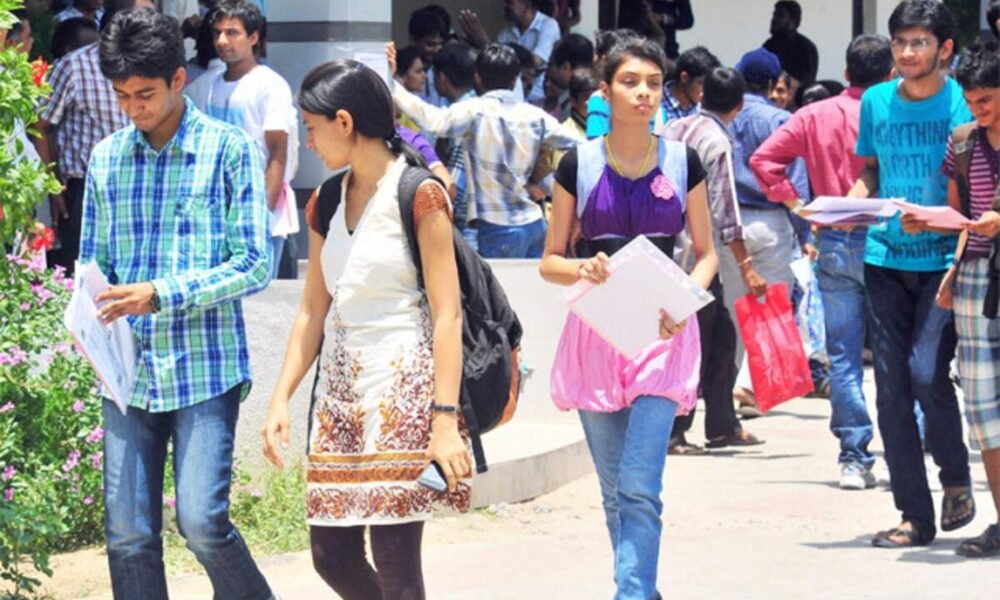
Education Pressure and Competitive Exams Return to National Discussion
India’s growing dependence on coaching institutes has once again moved to the centre of national education discussions following repeated controversies surrounding competitive entrance examinations and rising academic pressure among students.
The debate intensified after the cancellation of NEET UG 2026 and ongoing concerns linked to examination security, counselling uncertainty, and re-examination schedules affecting lakhs of aspirants across the country.
Parents and students across Kota, Delhi, Patna, Hyderabad, and other education hubs say dependence on private coaching has increased significantly due to intense competition for medical, engineering, and central university admissions.
Several coaching centres have reported rising demand for crash courses, revision batches, and personalised mentoring programmes after recent examination disruptions triggered uncertainty among candidates.
Education experts believe the current admission ecosystem has created a parallel coaching economy where many students feel regular schooling alone is insufficient for clearing highly competitive entrance examinations.
Debate Intensifies Over Academic Pressure and Education Inequality
Critics argue that the expanding coaching culture is increasing financial pressure on middle-class families while also widening educational inequality between students from different economic backgrounds.
Mental health professionals have additionally raised concerns regarding burnout, stress, isolation, and emotional pressure faced by students preparing for multiple examinations simultaneously.
Supporters of coaching systems, however, maintain that structured preparation and competitive exposure remain necessary within India’s highly demanding entrance examination environment.
Several educators say the larger issue reflects deeper structural problems involving limited high-quality seats, intense competition, and overdependence on examination-based filtering systems for admissions.
The controversy has also intensified discussions around education reform, board examination relevance, entrance test structure, and the long-term impact of coaching-driven academic culture on students.
The debate is expected to remain central to India’s education landscape as competitive examination pressure and admission demand continue increasing nationwide.







No Comment! Be the first one.