








Karnataka Panel Proposes Fee Cuts for Engineering Courses to Revive Core Branches
A government-appointed panel in Karnataka has proposed a reduction in fees for engineering courses, particularly in core branches, in an effort to revive student interest and improve enrolment. The...

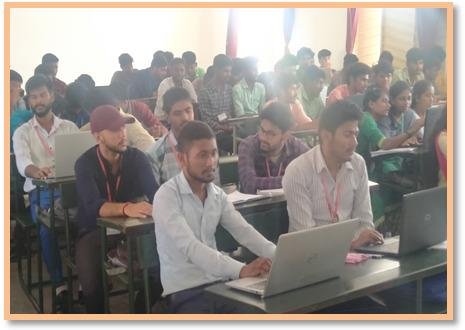
A government-appointed panel in Karnataka has proposed a reduction in fees for engineering courses, particularly in core branches, in an effort to revive student interest and improve enrolment.
The recommendation comes amid declining demand for traditional engineering streams such as civil, mechanical and electrical, as students increasingly shift towards computer science and related fields. Officials indicated that the proposed fee cuts aim to make core engineering programmes more attractive and accessible.
The panel has suggested a structured approach that includes lowering tuition fees and introducing financial incentives to encourage students to opt for these branches. The move is expected to benefit both students and institutions by balancing enrolment across disciplines.
Incentives and internships proposed to boost enrolment and industry relevance
In addition to fee reduction, the panel has recommended the introduction of scholarships and paid internship opportunities for students enrolled in core engineering courses. These measures are intended to improve career prospects and align academic learning with industry requirements.
Education experts have noted that declining enrolment in core engineering disciplines is a concern, as these fields play a critical role in infrastructure, manufacturing and industrial development. Reviving interest in these branches is seen as essential for long-term economic growth.
The proposal also highlights the need for stronger collaboration between academic institutions and industry partners. By offering practical exposure through internships and training programmes, the initiative aims to enhance skill development and employability among students.
Authorities are expected to review the recommendations and consider implementation in phases. If approved, the changes could lead to a shift in student preferences and strengthen the overall engineering education ecosystem.
As the higher education landscape continues to evolve, the proposed reforms reflect a broader effort to address imbalances in course demand and ensure sustainable growth in technical education.







No Comment! Be the first one.