







AI is Changing Higher Education, But Human Skills Still Matter Most
Artificial intelligence is becoming a bigger part of higher education, changing the way students learn, teachers teach and universities prepare young people for future careers. However, education...
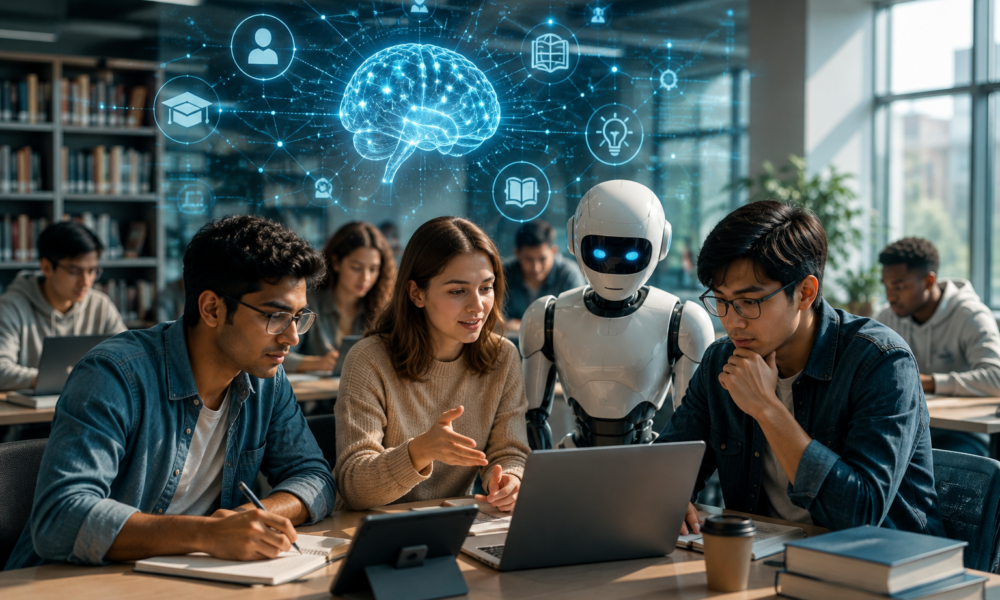
Artificial intelligence is becoming a bigger part of higher education, changing the way students learn, teachers teach and universities prepare young people for future careers. However, education experts say that while AI can improve learning, human skills such as critical thinking, communication and problem-solving will remain essential in the workplace.
Experts speaking at a recent education discussion highlighted that AI is already helping universities personalise learning through digital tutors, virtual teaching assistants and AI-powered research tools. These technologies can help students receive quicker feedback, understand complex topics more easily and access learning resources at any time.
Rather than replacing teachers, AI is expected to support them. Educators are increasingly taking on the role of mentors who guide students in analysing information, asking better questions and applying knowledge to real-world situations. Experts believe this shift will help students become more adaptable as industries continue to evolve.
Universities are also reviewing their courses to ensure graduates are ready for an AI-driven economy. Along with technical knowledge, institutions are placing greater emphasis on teamwork, creativity, leadership and ethical decision-making. These skills are becoming increasingly valuable as employers look for graduates who can work alongside AI instead of competing with it.
Industry leaders say students should learn how to use AI responsibly rather than depend on it for every task. AI can help generate ideas, summarise information and improve productivity, but it cannot replace original thinking, personal judgement or emotional intelligence. Experts warn that relying too heavily on AI without understanding the subject may weaken learning over time.
The discussion also highlighted the importance of equal access to technology. While many private institutions are rapidly adopting AI tools, experts say public institutions will also need better digital infrastructure, teacher training and access to modern learning resources. Without these improvements, the gap between different education systems could continue to widen.
As AI continues to reshape industries, universities are expected to introduce more interdisciplinary courses that combine technology with business, healthcare, engineering, law and the humanities. This approach aims to prepare students for careers where AI will become a regular part of daily work rather than a specialised tool.
Education experts believe the future of higher education will not depend on AI alone. Success will come from combining technology with curiosity, creativity and lifelong learning. Students who understand how to use AI while continuing to develop strong human skills are expected to be better prepared for tomorrow’s jobs.



No Comment! Be the first one.