





West Bengal Government Approves Major School and ICDS Centre Upgrade Plan
The West Bengal government on Friday approved a wide ranging infrastructure initiative with backing from the Asian Development Bank to modernise secondary schools and strengthen early childhood...

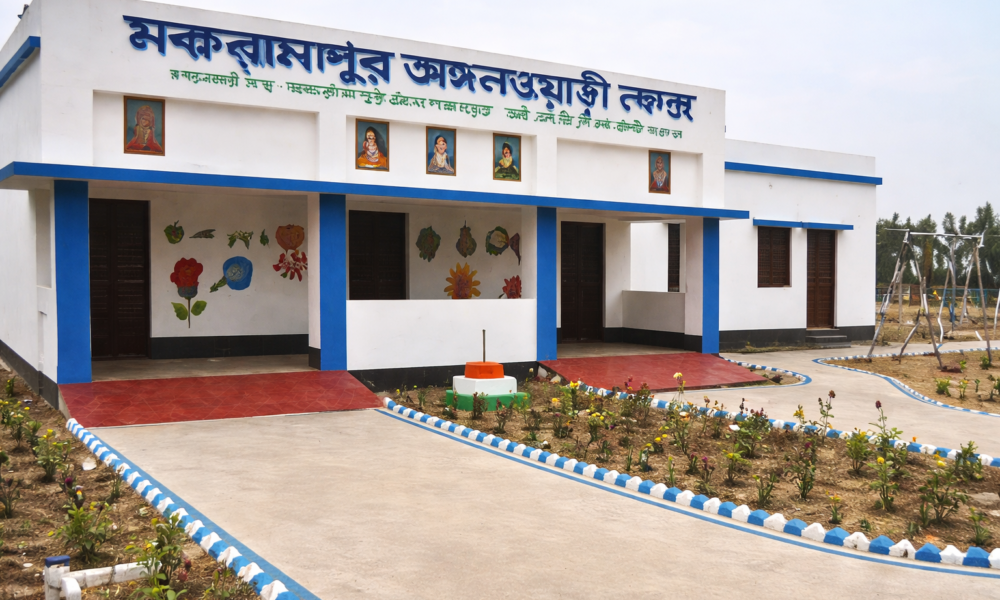
The West Bengal government on Friday approved a wide ranging infrastructure initiative with backing from the Asian Development Bank to modernise secondary schools and strengthen early childhood development services across the state.
Under the plan cleared by the state cabinet, close to Rs 4,648 crore will be invested in improving 430 state-aided secondary schools and refurbishing about 50,000 Integrated Child Development Services centres to enhance learning environments and ensure better facilities for young learners.
Officials said the Asian Development Bank will contribute around 70 percent of the project cost, with the remainder funded by the state government. The school modernisation component will seek to install smart classrooms and science laboratories, build libraries and accessible toilet facilities, and improve kitchen and dining areas used for midday meal services. Special provisions for students with disabilities through specially designed ramps and support infrastructure will be included.
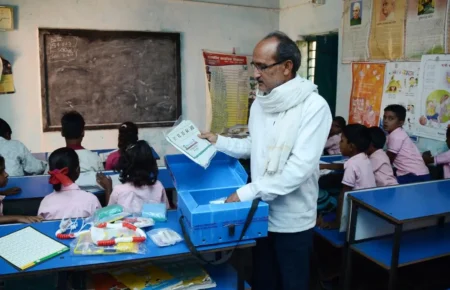
In addition to hardware upgrades, the programme envisages recruitment of teachers proficient in English medium instruction and the introduction of vocational and bridge courses intended to make schooling more relevant to contemporary skills needs. Officials said the ICDS centre improvements will focus on quality care for pre-school children and further professional development for anganwadi workers and supervisors.
Education sector analysts welcomed the move as a much needed step to reduce infrastructure disparities in the state’s education ecosystem and to better align Bengal with national education goals.
The plan, expected to roll out over the next five years, signals renewed emphasis by the state government on early childhood and foundational learning, while also bridging gaps in basic school facilities across urban and rural areas.




No Comment! Be the first one.