




RTE Admission Backlog Sparks Parental Anxiety as 2026‑27 Window Opens
As the 2026‑27 Right to Education (RTE) admission window opens across India, thousands of parents are grappling with lingering uncertainty over unfilled seats from the previous academic year. Despite...

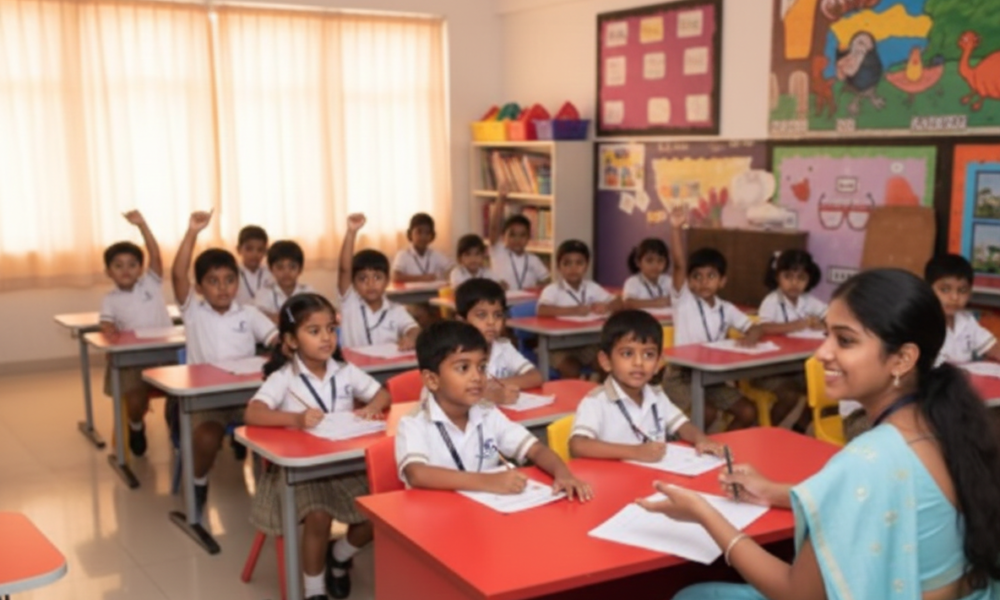
As the 2026‑27 Right to Education (RTE) admission window opens across India, thousands of parents are grappling with lingering uncertainty over unfilled seats from the previous academic year. Despite the government’s assurances, reports from Rajasthan, Maharashtra, and several urban districts reveal that a significant number of eligible children remain without placement, leaving families in limbo.
Parents and civil society groups have voiced concerns over administrative delays, opaque seat allocation processes, and the growing pressure on under‑resourced schools to accommodate a backlog alongside new applicants.
Education activists caution that unless authorities address these systemic gaps, the RTE mandate, designed to guarantee free, equitable education, risks becoming a formality rather than a right.
Officials maintain that mechanisms are being strengthened to prevent bottlenecks and that schools will prioritize unplaced students while processing new applications. Yet, for many families, the anxiety is immediate: a child’s education hangs in balance while the bureaucracy scrambles to reconcile last year’s backlog with the current year’s demand. The unfolding situation underscores the persistent challenge of translating policy intent into effective ground‑level execution.

No Comment! Be the first one.