

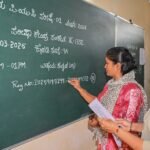





Rajasthan’s RTE surge exposes the widening gap between entitlement and capacity
The Rajasthan government is grappling with an unprecedented rise in applications under the Right to Education Act, with over six lakh students seeking admission against a fraction of available seats...


The Rajasthan government is grappling with an unprecedented rise in applications under the Right to Education Act, with over six lakh students seeking admission against a fraction of available seats in private schools. The imbalance has once again brought into focus a persistent fault line in the implementation of the law: the gap between statutory entitlement and actual capacity.
The surge in applications is, in many ways, a measure of aspiration. Families continue to view private schools as pathways to better learning outcomes and social mobility. The demand reflects a lack of confidence in the quality of government schooling, an issue that policy interventions have yet to adequately resolve.
At the same time, the numbers underline the limits of the current model. With seats capped under RTE provisions, a large proportion of applicants are left without access, creating both administrative strain and social disappointment. The suggestion that unsuccessful candidates be redirected to government schools may offer a logistical solution, but it does little to address the underlying concern driving the demand in the first place.
The situation calls for a dual response. Expanding the capacity of quality public education must become central to policy, rather than relying on limited seats in private institutions to bridge the gap. Simultaneously, greater clarity and fairness in the allocation process are needed to manage expectations and ensure transparency.
Rajasthan’s experience is a reminder that legal guarantees, without corresponding investment in public systems, risk becoming symbolic. The promise of the Right to Education cannot rest on constrained supply. It must be backed by a sustained effort to strengthen the schools that serve the majority.







No Comment! Be the first one.