







Rajasthan lowers Class 1 entry age, alignment with early schooling raises fresh concerns
The decision of the Rajasthan Education Department to reduce the minimum age for Class 1 admission from six to five years marks a significant shift in school entry norms. The move, intended to bring...

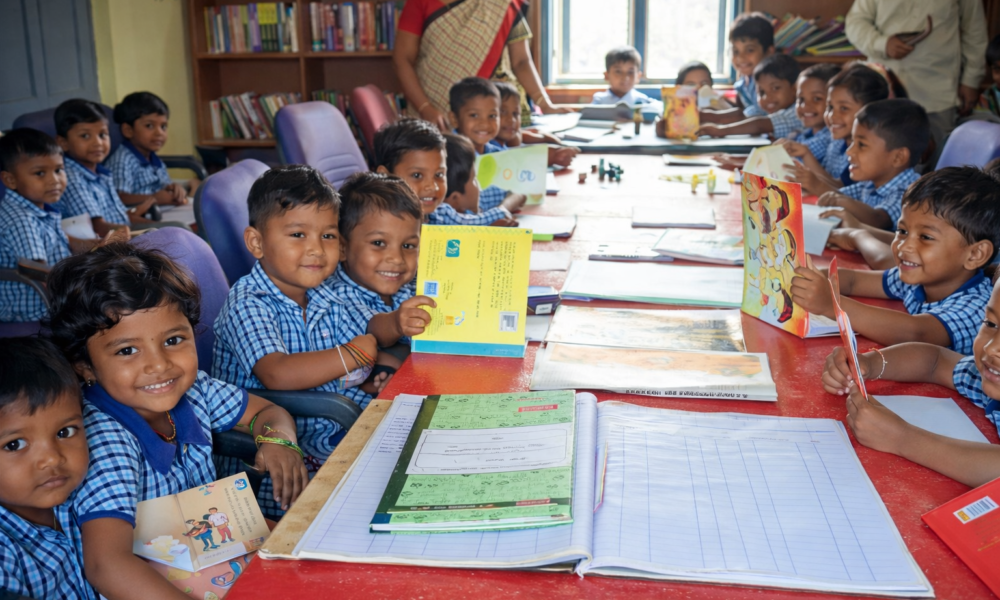
The decision of the Rajasthan Education Department to reduce the minimum age for Class 1 admission from six to five years marks a significant shift in school entry norms. The move, intended to bring government schools in line with private institutions, is being positioned as a step towards improving enrolment and retention at the foundational stage.
On the face of it, the policy seeks to correct a long-standing mismatch. Many private schools have already been admitting children at younger ages, creating disparities that often place government school students at a relative disadvantage in later transitions. By lowering the entry age, the state aims to ensure a more uniform starting point across systems.
However, the change raises questions that extend beyond administrative alignment. Early childhood education experts have consistently emphasised the importance of age-appropriate learning. The shift risks compressing the preparatory phase that is critical for cognitive and social development, particularly for children transitioning from anganwadi centres to formal schooling.
There is also the issue of readiness within the system. Infrastructure, teacher training and curriculum design must adapt to accommodate younger learners. Without corresponding investments, the burden of adjustment may fall disproportionately on classrooms that are already stretched.
The policy reflects an attempt to reconcile competing priorities of access and standardisation. Yet, its success will depend on whether the state can ensure that earlier entry into formal education does not come at the cost of foundational learning.






No Comment! Be the first one.