






NTA plans facial recognition, live photo capture for NEET, JEE from 2026
New Delhi: The National Testing Agency is preparing to introduce facial recognition-based verification across major entrance examinations, including NEET and JEE, beginning 2026, according to people...

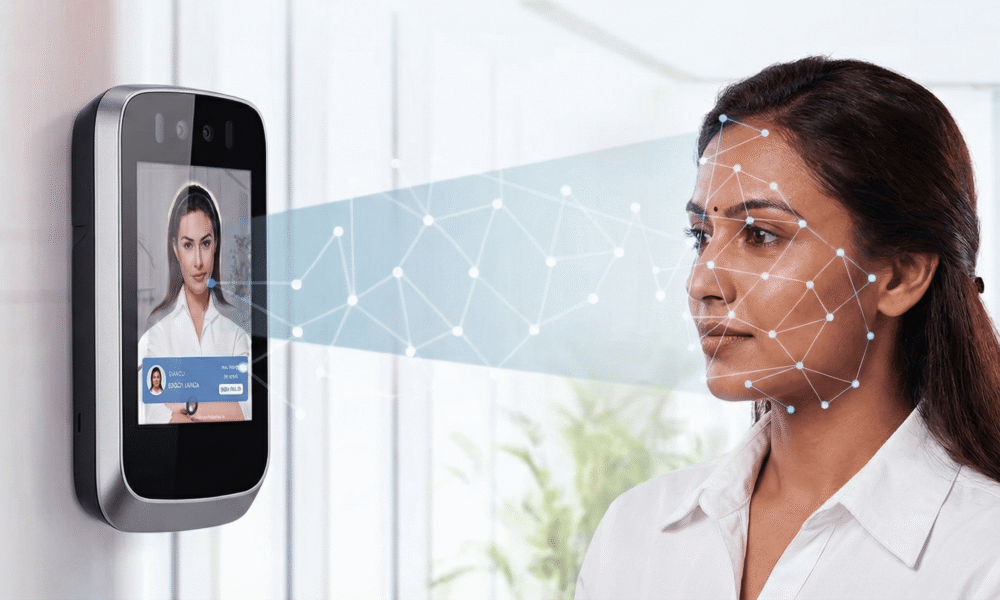
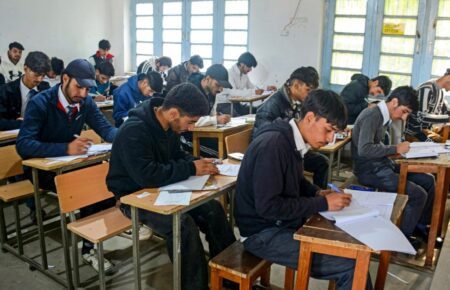
New Delhi: The National Testing Agency is preparing to introduce facial recognition-based verification across major entrance examinations, including NEET and JEE, beginning 2026, according to people familiar with the matter.
The agency is also in the process of rolling out an option that will require candidates to capture live photographs while submitting their examination applications, a move aimed at strengthening identity verification and curbing impersonation.
During the 2025 NEET examination, the Unique Identification Authority of India successfully conducted a proof of concept for Aadhaar-linked face authentication, a source said. The pilot was designed to assess the feasibility and effectiveness of facial authentication as a reliable method for verifying candidates’ identities.
As part of the exercise, Aadhaar-based face authentication technology was deployed at select NEET centres in Delhi and integrated with the National Informatics Centre’s digital infrastructure and the NTA’s examination protocols. The source added that the same framework is expected to be extended to other major entrance examinations from next year.
In parallel, the option for capturing live photographs has been embedded in the application system to ensure that unfair practices are not employed during registration or examination processes.
Facial biometric verification establishes identity by analysing distinct facial features, such as the distance between the eyes or the shape of the nose, and converting them into a digital template for comparison with stored data, often using artificial intelligence tools.
Live photo capture, typically conducted through a webcam or smartphone camera during online application or examination stages, is widely used to prevent impersonation.
The recommendations for enhanced verification mechanisms were made by the Radhakrishnan Committee, which was constituted by the Centre following incidents of alleged paper leaks.





No Comment! Be the first one.