








NCERT’s Quiet Elevation Signals a Structural Shift in India’s Higher Education Architecture
In a move that has attracted limited public attention but carries long term institutional consequences, the Indian government is preparing to grant deemed university status to the National Council of...

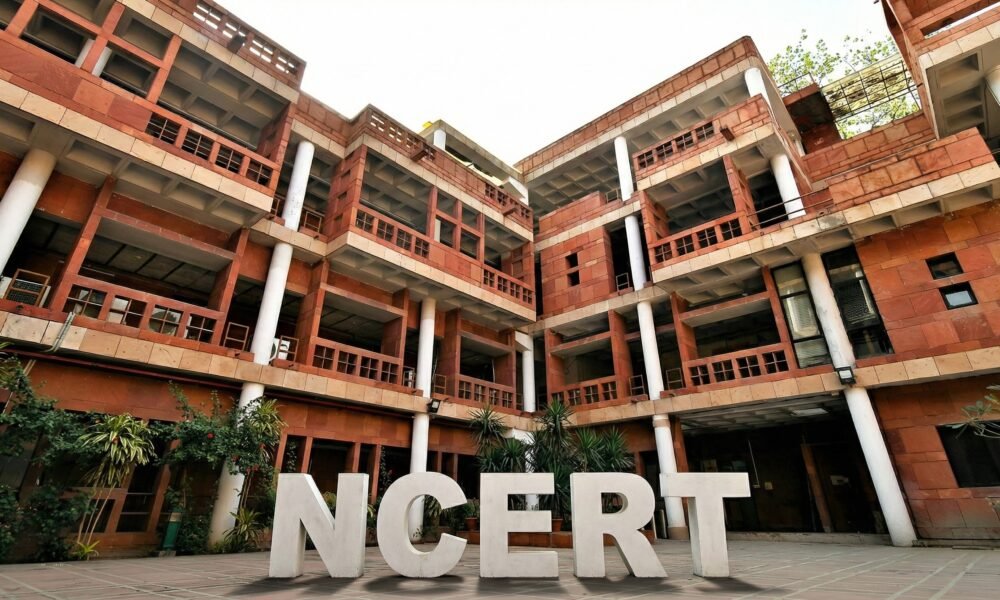
In a move that has attracted limited public attention but carries long term institutional consequences, the Indian government is preparing to grant deemed university status to the National Council of Educational Research and Training. The decision would reposition NCERT from a curriculum and textbook authority into a degree awarding academic institution, expanding its mandate into higher education, teacher training, and formal research.
For decades, NCERT has functioned as the intellectual backbone of India’s school education system, shaping national curricula and pedagogical standards. Deemed university status would fundamentally alter that role. It would allow the organisation to design and offer academic programs, supervise doctoral research, and potentially influence teacher education at a national scale.
The move aligns with the broader objectives of India’s National Education Policy, which seeks to consolidate institutions, strengthen research capacity, and blur the rigid divide between school education and higher learning. At the same time, it raises questions about overlap with existing universities, regulatory balance, and the concentration of academic authority within a government body already central to educational policymaking.
If implemented as planned, the change would mark one of the most consequential institutional upgrades in Indian education in recent years. It reflects a strategic bet by policymakers that NCERT can evolve from a curriculum custodian into a full spectrum academic institution, shaping not just what students learn in schools, but how educators and researchers are trained across the system.








No Comment! Be the first one.