

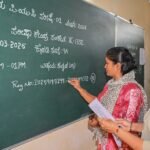





Gujarat’s RTE reform attempts course correction, but deeper inequities remain
The Gujarat government has introduced a change in its Right to Education admission process by making shift-wise seat allocation visible to applicants. The move comes after repeated concerns that...


The Gujarat government has introduced a change in its Right to Education admission process by making shift-wise seat allocation visible to applicants. The move comes after repeated concerns that children admitted under the Right to Education Act, particularly from economically weaker sections, were disproportionately placed in less desirable afternoon shifts in private schools.
At one level, the reform is a response to a specific grievance. Lack of transparency in how students were assigned to shifts had created space for informal segregation within the same institution. By mandating disclosure, the state has attempted to bring a layer of accountability to a process that has long operated with limited scrutiny.
However, the measure also underlines a deeper structural issue. The RTE framework was designed to enable social inclusion within private schooling. The persistence of shift-based separation suggests that integration remains incomplete. Afternoon shifts, often associated with fewer resources and reduced engagement, risk becoming a proxy for exclusion even when formal access has been granted.
Transparency, while necessary, is only a first step. Without clear norms on equitable distribution across shifts, schools may continue to reproduce hierarchies in subtler ways. Enforcement will require active monitoring, grievance redressal mechanisms, and penalties for non-compliance that go beyond advisory notices.
Gujarat’s intervention acknowledges that access alone does not guarantee equality. The credibility of the reform will depend on whether it evolves from disclosure to enforcement, ensuring that the spirit of inclusion embedded in the law is reflected in everyday school practice.





No Comment! Be the first one.