








Government Exams See Record Rush as Graduates Seek Stability Amid Hiring Slowdown
A noticeable shift is unfolding across India’s graduate community. Faced with fluctuating hiring trends and growing uncertainty in several private sector segments, thousands of young degree holders...

A noticeable shift is unfolding across India’s graduate community. Faced with fluctuating hiring trends and growing uncertainty in several private sector segments, thousands of young degree holders are redirecting their career focus towards competitive government examinations. From civil services to banking and staff recruitment tests, application numbers and coaching enrollments are climbing steadily.
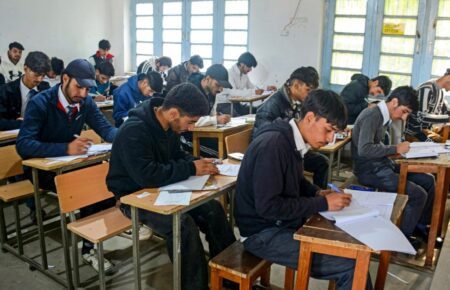
Preparation hubs in Delhi, Prayagraj, Patna, Jaipur, and Hyderabad report packed classrooms and waiting lists for new batches. Online learning platforms that specialize in exam preparation have also recorded sharp growth in subscriptions. Many of these aspirants are recent graduates, while others are professionals who left private sector roles to pursue what they view as more secure options.
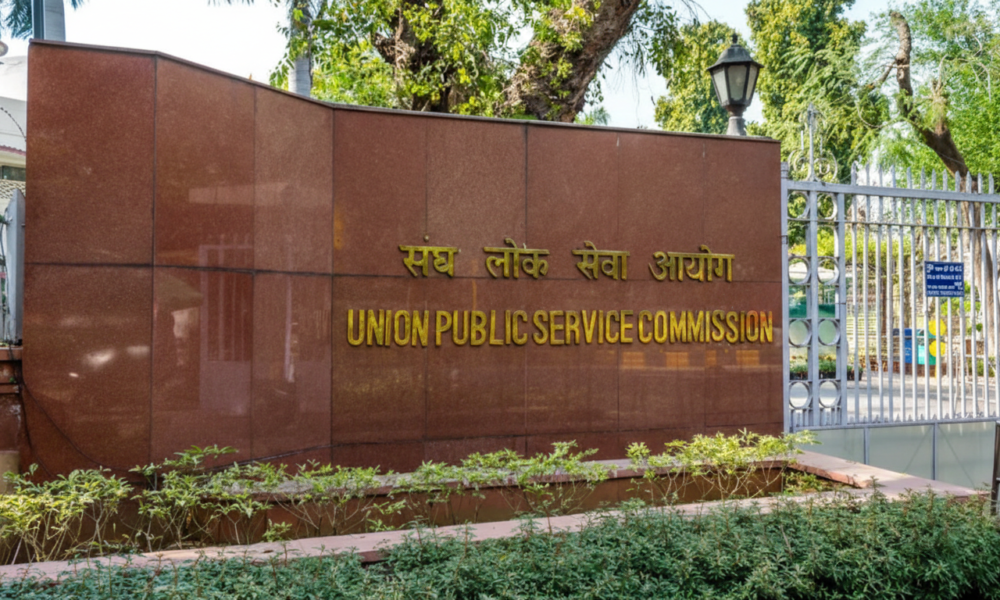
At the centre of this surge is the Civil Services Examination conducted by the Union Public Service Commission. Each year, lakhs of candidates apply for a limited number of vacancies in services such as the IAS, IPS, and IFS. The selection rate remains extremely low, yet the prestige, authority, and career stability attached to these roles continue to draw ambitious youth from diverse academic backgrounds.
Alongside civil services, recruitment exams conducted by the Staff Selection Commission attract millions of applicants for posts in central ministries and departments. Banking examinations managed by the Institute of Banking Personnel Selection and hiring drives by the State Bank of India remain equally popular. These roles promise structured career progression, pension benefits in many cases, and predictable work schedules.
Education consultants suggest that this renewed interest reflects broader economic anxieties. While India’s economy continues to expand in several sectors, hiring patterns in startups, technology services, and certain corporate segments have shown signs of caution. Layoffs in select industries and slower campus placements in some institutions have influenced perceptions among graduates.
For many families, particularly in Tier 2 and Tier 3 cities, a government position represents financial assurance and social standing. Parents often encourage children to attempt competitive exams, even if it means dedicating several years solely to preparation. The belief that public sector employment offers long-term stability remains deeply rooted.
Coaching institute administrators confirm that candidates from engineering, commerce, humanities, and science streams are enrolling in large numbers. Some aspirants previously employed in private companies have chosen to resign and prepare full-time. Others continue working while studying during evenings and weekends.
The digital shift in exam preparation has further widened participation. Online lectures, mock test series, and interactive doubt-clearing sessions allow aspirants from remote regions to access quality guidance without relocating to major cities. This accessibility has reduced dependence on traditional coaching clusters, although areas such as Mukherjee Nagar and Rajinder Nagar in Delhi continue to see heavy footfall.
Students cite multiple reasons for preferring government roles. Fixed working hours, medical coverage, housing allowances, and clearly defined promotion paths are commonly mentioned. In comparison, private sector roles in fields like consulting and information technology often demand extended hours and frequent transfers.
Despite the enthusiasm, experts caution that competitive examinations require disciplined preparation and realistic planning. Success rates remain low across most major exams. For instance, only a fraction of candidates clear preliminary stages in civil services, and fewer secure final selection. SSC and banking exams also witness intense competition, with high cut-offs and multiple evaluation stages.
Mental health professionals highlight growing stress among repeat aspirants. The cycle of preparation, examination, and results can extend over several years. Financial pressure, peer comparison, and societal expectations may intensify anxiety. Career advisors recommend backup plans, skill enhancement, and periodic reassessment of goals.
Policy analysts point out that government jobs, while desirable, represent a limited share of overall employment in India. The private sector continues to generate the majority of new positions. Emerging domains such as renewable energy, logistics, digital marketing, healthcare services, and data analytics are expanding opportunities. Yet, perception often shapes decision-making more strongly than statistics.
Interestingly, many aspirants view government employment as a platform to serve society while ensuring personal security. Civil services, in particular, are seen as pathways to influence public administration and policy execution. Banking and staff recruitment roles offer financial sector exposure and administrative responsibility within structured frameworks.
The ripple effect of this trend is visible beyond classrooms. Rental housing demand in exam hubs has risen. Libraries operate at full capacity. Bookstores specializing in competitive exam material report increased sales of guidebooks and practice papers. Even small towns have witnessed the growth of local coaching centres catering to regional demand.
Online forums and peer study groups have created communities where aspirants exchange strategies, resources, and encouragement. Social media channels dedicated to exam preparation attract thousands of followers daily, reflecting the scale of engagement.
As notification cycles for major examinations continue, application portals experience heavy traffic. The pattern suggests that job stability remains a decisive factor for India’s educated youth. Economic shifts may fluctuate over time, but the attraction of a steady government position retains its influence.
Whether this surge translates into long-term career realignment depends on multiple variables. If private sector hiring regains consistent momentum, some aspirants may reconsider their paths. If uncertainty persists, competitive examinations could continue to dominate graduate aspirations.
For now, the message from classrooms and coaching corridors is clear. In an environment shaped by cautious hiring trends and evolving market conditions, government examinations have regained prominence as a preferred route to career security and professional respect.






No Comment! Be the first one.