








Expansion push in higher education reveals uneven demand across new campuses
Recent developments in higher education point to a dual trend of expansion and underutilisation. While leading private institutions continue to announce new campuses in emerging education hubs,...

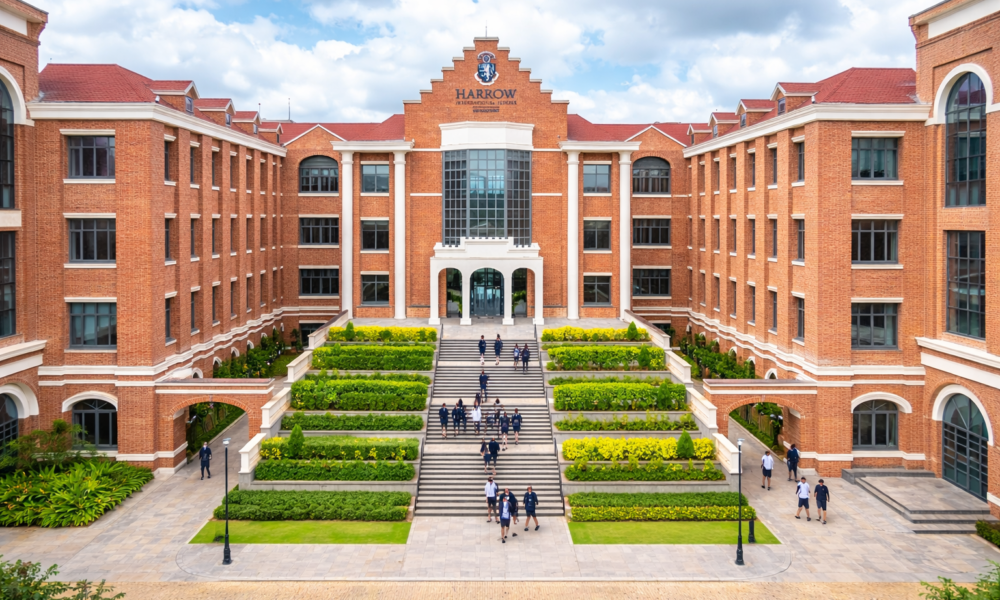
Recent developments in higher education point to a dual trend of expansion and underutilisation. While leading private institutions continue to announce new campuses in emerging education hubs, several publicly funded centres are struggling with low enrolment despite substantial investment.
The proposed expansion by established management institutions into cities such as Amaravati reflects a continued appetite for capacity building in professional education. These projects are positioned to tap into regional demand, reduce geographic concentration and create new academic ecosystems beyond traditional metros.
At the same time, reports of underfilled seats in certain university centres raise concerns about planning and alignment. Infrastructure creation, in the absence of clear demand assessment and course relevance, risks turning into sunk cost. The gap between supply and student preference suggests that expansion alone cannot address systemic challenges.
What emerges is the need for a more calibrated approach. Course offerings must be closely linked to employability trends, regional aspirations and industry linkages. Institutions, both public and private, will need to compete on quality, not just scale.
The future of higher education growth will depend on this balance. Expansion that is informed, responsive and accountable is likely to succeed. The rest may struggle to justify their promise.








No Comment! Be the first one.