






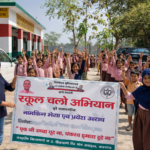

Direct Transfers, Deeper Reach: Gujarat’s Education Push Signals Shift in Welfare Delivery
The Gujarat government’s decision to transfer ₹354 crore directly into the accounts of nearly 14 lakh students underscores a growing reliance on targeted welfare mechanisms to improve educational...

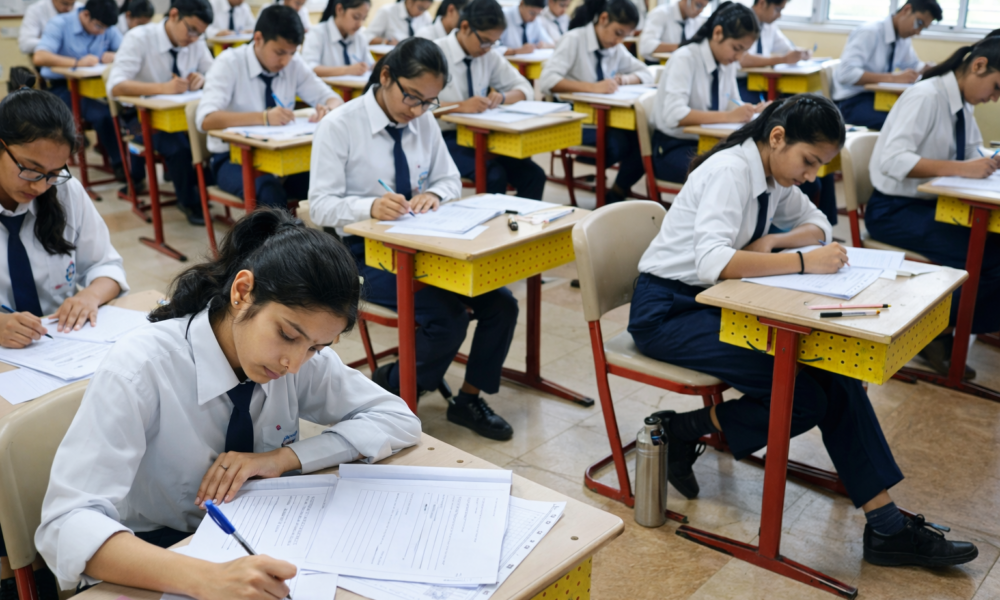
The Gujarat government’s decision to transfer ₹354 crore directly into the accounts of nearly 14 lakh students underscores a growing reliance on targeted welfare mechanisms to improve educational outcomes. Spread across scholarships, incentives and innovation-linked schemes, the intervention reflects an administrative preference for direct benefit transfers over intermediary-driven models.
Early indicators suggest measurable gains. Enrolment among girls has seen a modest uptick, while dropout rates have declined, pointing to the role of financial certainty in sustaining participation in schooling. For many families, particularly in rural and low-income segments, the predictability of such support can determine whether education continues beyond the elementary level.
Yet, the larger significance lies in the method rather than the amount. Direct transfers minimise leakages and reduce bureaucratic friction, but they also place greater responsibility on accurate identification and last-mile banking access. The success of such schemes depends on the robustness of digital and financial infrastructure, which remains uneven across regions.
There is also the question of whether financial incentives alone can address structural gaps in education. Issues of learning quality, teacher availability and school infrastructure persist, and cannot be resolved through cash support. At best, such interventions can create conditions that enable access; they do not guarantee outcomes.
Even so, the approach signals a broader policy shift. Welfare in education is increasingly being designed as a tool for inclusion, with an emphasis on efficiency and scale. The test, as always, will lie in whether these gains can be sustained and translated into long-term improvements in learning.





No Comment! Be the first one.