






CBSE’s menstrual hygiene directive marks a necessary shift from tokenism to accountability
The Central Board of Secondary Education has asked all affiliated schools to put in place measures for menstrual hygiene management, following a recent Supreme Court direction that linked the issue...

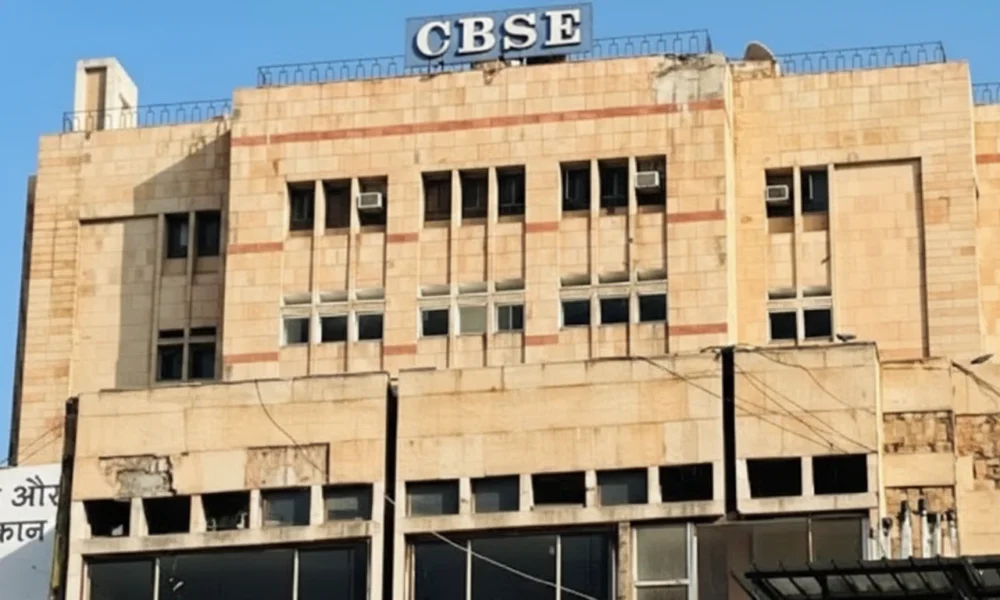
The Central Board of Secondary Education has asked all affiliated schools to put in place measures for menstrual hygiene management, following a recent Supreme Court direction that linked the issue to dignity and equal access to education. The instruction goes beyond symbolic compliance. It calls for functional infrastructure, access to sanitary products, and sustained awareness within school campuses.
For years, menstrual health in schools has been addressed through fragmented initiatives that rarely moved beyond distribution drives or one time awareness sessions. The CBSE’s directive, if implemented in letter and spirit, has the potential to correct that imbalance. It recognises that the absence of clean facilities, privacy, and reliable access to sanitary products continues to push many girls out of classrooms, particularly in semi urban and rural settings.
The challenge, however, lies in execution. Schools, especially those operating with limited resources, will need both financial and administrative support to meet these requirements. Monitoring mechanisms will have to be strengthened to ensure that compliance does not remain on paper. Periodic audits, student feedback systems, and accountability at the school management level will be crucial.
At a broader level, the move aligns with the understanding that education policy cannot remain insulated from issues of health and social equity. Menstrual hygiene is not a peripheral concern. It sits at the intersection of public health, gender justice, and educational access. The CBSE’s directive acknowledges this reality. The task now is to ensure it translates into meaningful change inside classrooms.




No Comment! Be the first one.