





CBSE Moves to Introduce Two Indian Languages in Class 6 from 2026–27 Academic Session
The Central Board of Secondary Education is set to introduce a revised language structure for Class 6 beginning with the 2026–27 academic year, requiring students to study three languages with at...

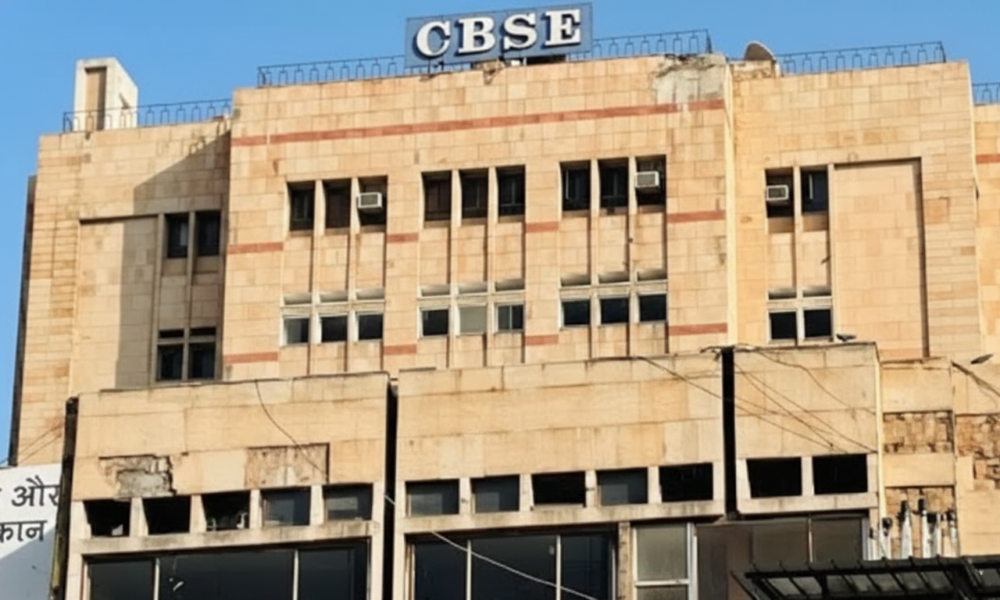
The Central Board of Secondary Education is set to introduce a revised language structure for Class 6 beginning with the 2026–27 academic year, requiring students to study three languages with at least two drawn from Indian languages. The move is in line with the framework proposed under the National Education Policy 2020.
Under the proposed structure, schools affiliated with CBSE will need to ensure that students learn three languages during the middle school stage. Among these, two must be Indian languages. English may continue to be offered but will be treated as a foreign language option depending on how schools organise their curriculum.
The policy aims to strengthen linguistic diversity while encouraging students to engage more closely with Indian languages during their formative years of schooling. Education authorities have indicated that the approach is intended to balance regional language learning with wider academic exposure.
School administrations will be required to align their curriculum planning and teaching resources to accommodate the revised language requirements. The change is expected to affect curriculum design, teacher deployment and subject planning at the school level as institutions prepare for implementation from the 2026–27 session.
The move reflects the broader direction of education reforms outlined in the National Education Policy, which emphasises multilingual education and greater inclusion of Indian languages within the formal schooling system.





No Comment! Be the first one.