







Australia Tightens Student Visa Rules, India Placed in Highest Risk Category
Australia has tightened its student visa framework, placing India in the highest immigration risk category, a move that is expected to significantly affect Indian applicants planning to pursue higher...

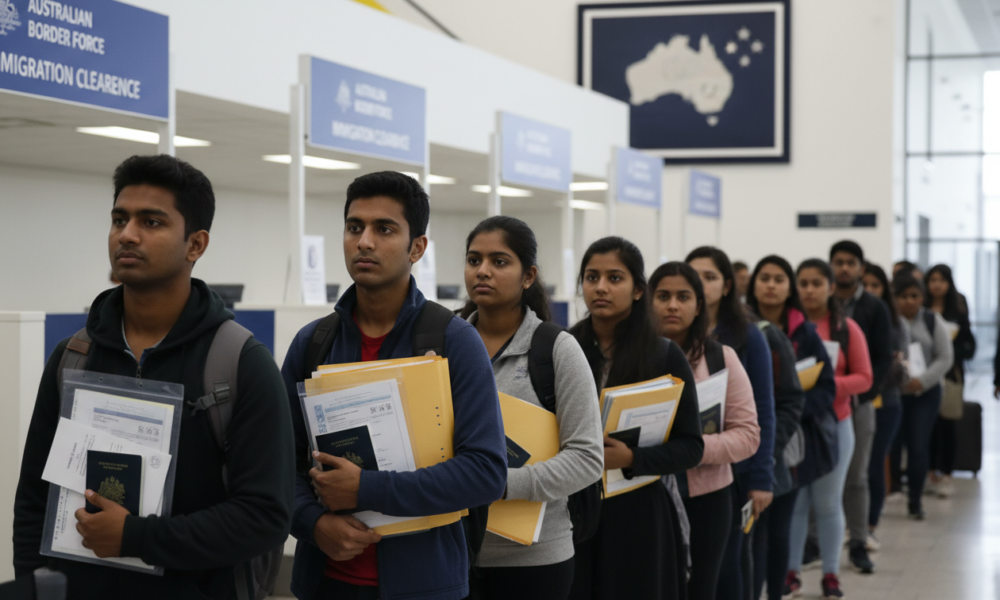
Australia has tightened its student visa framework, placing India in the highest immigration risk category, a move that is expected to significantly affect Indian applicants planning to pursue higher education in the country.
Under the revised system, India has been moved to Assessment Level 3, the highest risk classification used by Australian authorities. This change subjects Indian student visa applications to stricter scrutiny, higher financial requirements, and closer checks on academic intent. Earlier, India was placed in a lower risk category, which allowed relatively smoother processing for genuine students.
The new classification means Indian applicants will now face longer processing timelines and a greater likelihood of visa refusals. Financial documentation requirements have also been strengthened, with students required to demonstrate stronger proof of funds and clearer evidence of their intention to return after completing their studies.
Australian officials have cited concerns over misuse of the student visa route, including cases where applicants were found to be using education pathways primarily for migration or work purposes. Authorities have stated that the revised assessment levels are based on country-wise compliance trends, visa overstay data, and the proportion of applicants failing to meet genuine student criteria.
Education consultants have warned that the move could lead to a decline in Indian enrolments, particularly in vocational education and training courses, which have seen a surge in applications over the past few years. Universities may be less affected, but students targeting private colleges and skill-based programmes are likely to face greater hurdles.
India has been one of the largest source countries for international students in Australia, with tens of thousands enrolling annually across universities, colleges, and training institutions. The tighter rules come at a time when Australia is attempting to balance the economic contribution of international education with domestic concerns around housing pressure, migration levels, and labour market regulation.
The Australian government has maintained that genuine students with strong academic backgrounds and clear post-study plans will continue to receive visas. Education sector observers, however, say the reclassification sends a strong signal that the window for easy student migration is closing, particularly for applicants from countries now deemed high risk.
For Indian students and their families, the new rules mean higher costs, greater documentation burdens, and the need for more careful course and institution selection before applying.






No Comment! Be the first one.