




Audit flags deep structural gaps in Punjab’s school education system
A recent audit of Punjab’s school education system has laid bare a troubling mismatch between policy intent and ground reality. Widespread teacher shortages, weak institutional planning and...

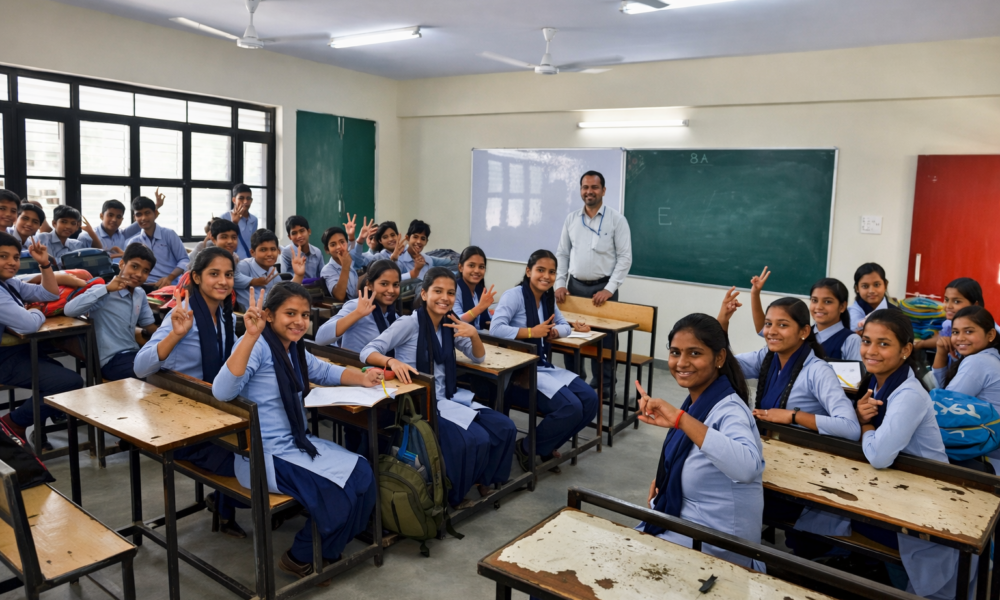
A recent audit of Punjab’s school education system has laid bare a troubling mismatch between policy intent and ground reality. Widespread teacher shortages, weak institutional planning and under-resourced training frameworks have combined to strain an already fragile system, particularly at the secondary and higher secondary levels.
The findings point to significant vacancies across teaching positions, in some cases running alarmingly high in specialised subjects. This has had a cascading effect on classroom outcomes, with student retention declining as learners move up the academic ladder. The situation is compounded by the condition of teacher training institutes, many of which are themselves grappling with acute staff shortages and limited capacity.
At its core, the audit underscores a governance challenge. Recruitment delays, uneven deployment of teachers and gaps in infrastructure suggest that administrative inefficiencies remain as critical as financial constraints. The absence of coherent long-term planning has further weakened the system’s ability to respond to shifting enrolment patterns and evolving curricular demands.
The implications are difficult to ignore. Without timely intervention, the deficits risk widening learning inequalities and undermining the state’s broader education goals. Addressing these concerns will require more than incremental fixes. It calls for a coordinated push that prioritises teacher availability, strengthens institutional accountability and restores confidence in the public schooling system.





No Comment! Be the first one.