







Access Curbs During RSS-Linked Event at Lucknow University Lead to Campus Outcry
Restrictions imposed during a programme associated with the Rashtriya Swayamsevak Sangh at Lucknow University have sparked debate among students and faculty over campus access, administrative...

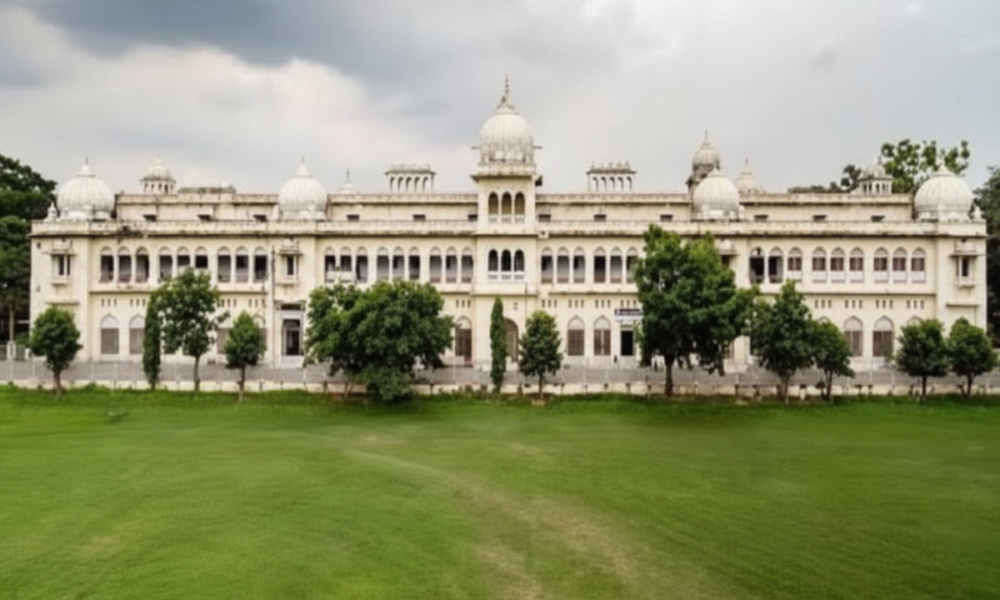
Restrictions imposed during a programme associated with the Rashtriya Swayamsevak Sangh at Lucknow University have sparked debate among students and faculty over campus access, administrative transparency, and the broader question of how political or ideological events are handled within academic spaces.
The situation unfolded when entry to certain parts of the campus was regulated on the day of the event. Students reported that security personnel were stationed at key gates and that access was limited to individuals who met specific criteria set by the administration. Some students claimed they were asked to produce additional identification or were temporarily denied entry despite carrying valid university ID cards.
Accounts from students indicate that the restrictions led to delays and confusion, particularly for those who had classes, library work, or administrative tasks scheduled during the same time frame. A section of the student body expressed concern that routine academic activities were affected without sufficient prior communication.
University officials defended the measures, stating that the steps were precautionary and aimed at ensuring smooth conduct of the programme. Administrators indicated that events expected to draw large gatherings require crowd management strategies. Security arrangements, they said, are put in place to prevent congestion, maintain order, and address any potential safety concerns.
According to sources within the administration, the entry controls were not designed to restrict academic participation but to regulate movement in and around the venue where the programme was held. Officials emphasised that such arrangements are not unusual when external speakers or organisations host events on campus.
Despite these assurances, the episode has ignited a wider discussion on campus governance. Several students questioned whether adequate notice had been issued regarding the restrictions. They argued that timely communication could have reduced inconvenience and helped students plan their schedules accordingly.
Some student representatives also raised concerns about the criteria used to regulate access. They called for greater clarity on whether the measures were applied uniformly and whether similar controls are enforced during other non-academic events hosted at the university.
The presence of an organisation such as the Rashtriya Swayamsevak Sangh added a political dimension to the debate. Universities across India have often found themselves at the centre of ideological disagreements, especially when events involve groups with strong public profiles. Supporters of such engagements maintain that campuses should remain open forums where diverse viewpoints can be expressed and discussed. Critics counter that university spaces must prioritise academic neutrality and ensure that political programming does not interfere with regular teaching and research.
Faculty members, while largely refraining from public comment, are said to have expressed concern over the perception created by the episode. Some believe that clear standard operating procedures for hosting large-scale events could prevent similar situations in the future. These procedures, they suggest, should outline security arrangements, communication timelines, and contingency plans to protect academic schedules.
Legal experts observing the situation note that public universities have the authority to regulate access in the interest of safety and order. At the same time, they emphasise that such powers must be exercised in a manner that does not arbitrarily restrict students from accessing educational facilities. Transparency in decision-making and consistency in enforcement are often key to maintaining trust within the campus community.
The incident has also drawn attention to the broader question of how universities balance openness with security. In recent years, campuses have increasingly hosted seminars, lectures, and cultural events involving public figures and organisations from across the ideological spectrum. While these engagements can enrich academic discourse, they also require logistical planning and risk assessment.
Students affected by the restrictions have called for a formal explanation from the administration. Some have suggested that the university establish a consultation mechanism involving student representatives before implementing access controls during major events. They argue that collaborative planning could help avoid misunderstandings and reinforce a sense of shared responsibility.
Administrative sources indicate that the university is reviewing the arrangements made on the day of the programme. Officials have suggested that feedback from students will be considered when framing guidelines for future events. Whether this leads to revised protocols remains to be seen.
Observers say the episode reflects a recurring tension within higher education institutions: the need to safeguard free expression while protecting academic continuity. Public universities serve diverse constituencies and are often arenas for social and political engagement. Managing these dynamics requires careful calibration of policy and communication.
For many students, the immediate concern is practical rather than ideological. Access to classrooms, laboratories, and libraries forms the core of campus life. Any measure perceived as limiting that access, even temporarily, can generate anxiety and dissatisfaction.
The Lucknow University episode may not be unprecedented, but it has once again highlighted the importance of advance notice, transparent criteria, and consistent application of rules. As universities continue to host events involving external organisations, administrators across the country may take note of the lessons emerging from this development.
In the coming days, dialogue between students and the administration is expected to shape the narrative around the incident. Whether it results in revised event management guidelines or simply serves as a reminder of the need for clearer communication, the episode underscores a central principle of campus governance: academic spaces function best when security, openness, and accessibility are balanced with care and accountability.




No Comment! Be the first one.