






Javelin Throw in India: How Schools and Colleges Can Build the Next Generation of Athletes
India’s growing presence in international javelin competition has created greater visibility for athletics and raised an important question for the education system: how can schools and...

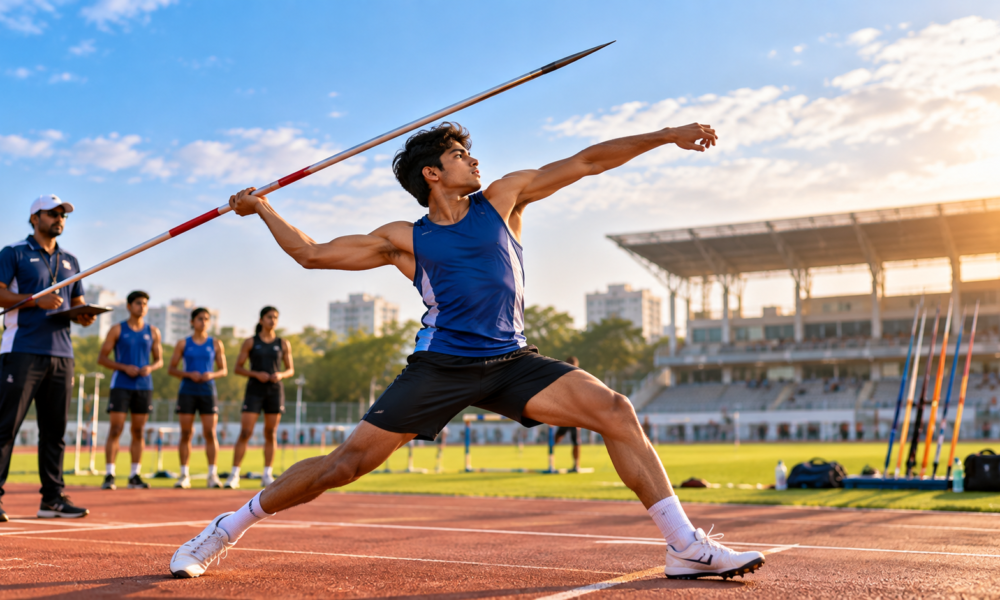
India’s growing presence in international javelin competition has created greater visibility for athletics and raised an important question for the education system: how can schools and colleges create pathways for young athletes?
The subject gained fresh relevance after the 2026 Commonwealth Games, where India’s Neeraj Chopra won silver in the men’s javelin final with a throw of 85.83 metres. Yash Vir Singh also won bronze with 85.41 metres, while Rohit Yadav finished seventh with 81.56 metres.
The results demonstrate that India’s javelin programme now extends beyond a single athlete. Multiple Indian throwers are competing at major international events, creating a broader talent-development conversation.
World Athletics currently lists Chopra as an Olympic champion, world champion and Diamond League Final winner, while his national record stands at 90.23 metres.
For schools and colleges, however, the challenge is not simply identifying the next elite athlete. A sustainable sports-education system needs to provide students with opportunities to participate, learn correct technique and progress safely.
Javelin is a technical event. Students require coaching in throwing mechanics, strength development, mobility, speed and injury prevention. Simply asking students to throw repeatedly without qualified supervision can increase injury risks.
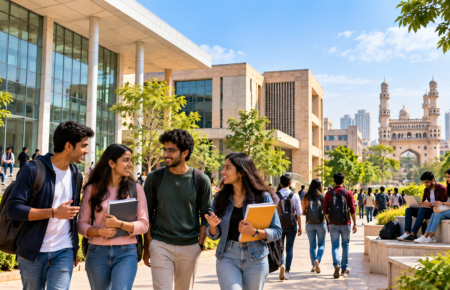
Schools can begin by introducing athletics through physical-education programmes and inter-school competitions. Students demonstrating interest and ability can then be connected with qualified coaches and recognised training centres.
Colleges can create a more advanced pathway by combining academic schedules with structured sports training. University-level athletics programmes can provide students with access to facilities, strength-and-conditioning support, competition opportunities and sports scholarships where available.
The educational value of athletics extends beyond medals. Students participating in structured sport develop experience with goal setting, discipline, competition, time management and teamwork.
Sports can also create career pathways beyond professional competition. Students interested in athletics can explore coaching, sports science, physiotherapy, nutrition, sports management, journalism, broadcasting and fitness-related careers.
The growth of javelin in India therefore has implications for the broader sports-education ecosystem.
The education sector can play a role by making athletics more accessible before students reach elite competition. Early exposure allows young people to discover whether they have an interest in a particular event without immediately placing pressure on them to pursue professional sport.
The 2026 Commonwealth Games results provide another reminder that elite performance is usually supported by a wider ecosystem involving athletes, coaches, institutions and competition structures.
For schools and colleges, the opportunity lies in building that ecosystem from the ground up.
The goal should not be to turn every student into an elite athlete. Instead, education institutions can provide safe, structured opportunities for students who want to explore athletics and create clear routes for those who demonstrate the ability and interest to progress.


No Comment! Be the first one.