








Debate Grows Over Whether Competitive Exams Are Overtaking School Education in India
Educators Raise Concerns Over Coaching Dependence and Academic Priorities The debate around India’s examination system is intensifying once again as educators and policy experts question whether...

Educators Raise Concerns Over Coaching Dependence and Academic Priorities
The debate around India’s examination system is intensifying once again as educators and policy experts question whether competitive entrance exams are gradually becoming more influential than school education itself.
The discussion has gained momentum during the ongoing admission season as students across the country simultaneously prepare for examinations including CUET UG, NEET UG, and JEE while awaiting board examination results and university admission updates.
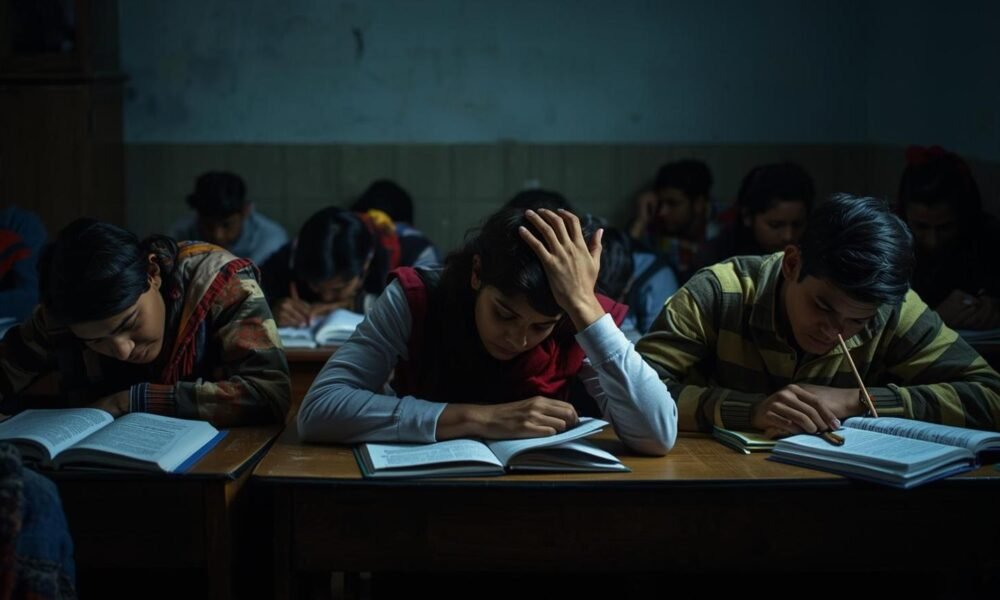
Several education experts argue that increasing dependence on coaching institutes and entrance-focused preparation is changing the role of traditional classroom learning, with many students prioritising competitive exam strategies over broader academic understanding.
Critics say the growing influence of entrance examinations has created an environment where school education is often viewed as secondary to coaching-based preparation, particularly among students targeting highly competitive institutions.
Education counsellors also point to rising stress levels among students balancing board examinations, entrance preparation, and parental expectations within a highly competitive academic ecosystem.
Questions Raised Over Long-Term Impact on Learning and Equality
Policy observers believe the larger debate extends beyond examinations themselves and increasingly focuses on whether India’s education system is placing excessive emphasis on rankings, cut-offs, and test performance.
Several educators have argued that unequal access to expensive coaching programmes may widen educational disparities between students from different financial and regional backgrounds.
Supporters of competitive entrance systems, however, maintain that standardised examinations help create a more uniform evaluation process for students coming from different school boards and educational backgrounds.
The implementation of the National Education Policy 2020 had initially raised expectations regarding reduced rote learning and more flexible academic evaluation systems, though many experts believe examination pressure remains deeply embedded within the current structure.
The issue is expected to remain central to education policy discussions as competition for university seats and professional courses continues increasing across India.






No Comment! Be the first one.