








Canada positions itself as research hub for Indian scholars as US tightens the tap
At a time when Indian students and researchers are encountering growing uncertainty in the United States due to visa delays, funding cuts, and a tightening political climate around higher education,...

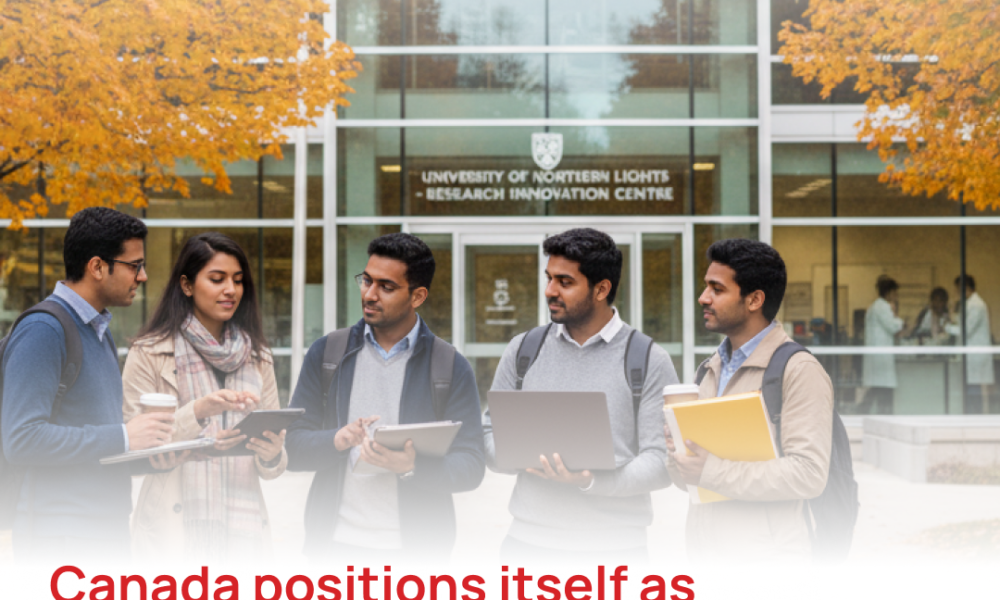
At a time when Indian students and researchers are encountering growing uncertainty in the United States due to visa delays, funding cuts, and a tightening political climate around higher education, Canada is moving decisively to present itself as a stable and welcoming alternative. Canadian universities and policymakers are stepping up efforts to attract Indian research talent, signalling a strategic shift in global academic mobility.
Over the past year, several US universities have faced pressure from reduced federal research funding, prolonged visa processing timelines, and increasing scrutiny of international students. For many Indian scholars, particularly those pursuing doctoral and postdoctoral research, these constraints have translated into stalled admissions, deferred fellowships, and limited long-term career clarity.
Canada is positioning itself to fill this gap. Universities across the country are expanding research fellowships, fast-tracking work permits, and strengthening partnerships with Indian institutions. Officials and academic leaders have underlined that India remains a priority source of research talent, especially in areas such as artificial intelligence, clean energy, health sciences, engineering, and advanced manufacturing.
Unlike the US, where visa uncertainty often continues even after admission, Canada is emphasising predictable immigration pathways linked to education and research employment. Graduate students and researchers are being offered clearer routes to post-study work permits and permanent residency, a factor that weighs heavily in decision-making for early-career academics.
Canadian institutions are also leveraging existing collaborations with Indian universities to attract scholars affected by stalled US plans. Joint research projects, visiting scholar programmes, and co-funded PhD positions are being promoted as alternatives for students reconsidering their options amid shifting US policies.
Education experts note that this moment could reshape global research flows. Indian students have traditionally viewed the US as the default destination for advanced research, but policy volatility is prompting a reassessment. Canada’s relatively stable regulatory environment, public funding support for universities, and active outreach to Indian talent are creating a competitive advantage.
For India, the shift has broader implications. While the US remains a major destination, Canada’s growing pull could diversify research pathways for Indian scholars and deepen bilateral academic ties. For students and researchers caught between aspiration and uncertainty, Canada’s message is clear: the door to research and long-term opportunity remains open.
If you want, I can also adapt this version for a print-friendly Indian Express layout or create a sharper digital headline with a standfirst for online publication.





No Comment! Be the first one.