








Supreme Court Flags Delhi Government for Rushed Mid-Year Enforcement of School Fee Regulation Law
The Supreme Court on Monday questioned the Delhi government over its decision to enforce the newly enacted school fee regulation law in the middle of the ongoing academic year, underscoring potential...

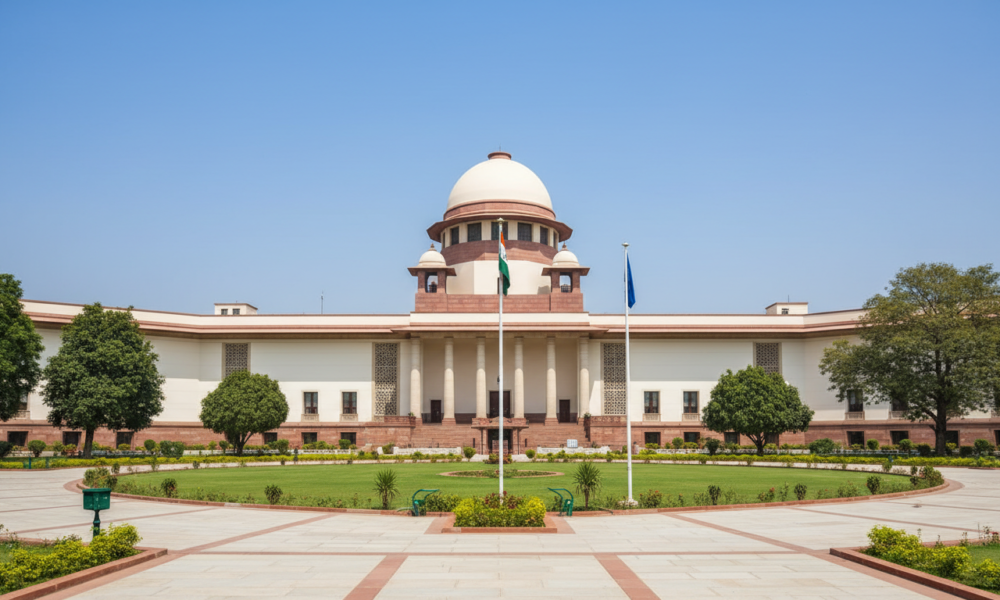
The Supreme Court on Monday questioned the Delhi government over its decision to enforce the newly enacted school fee regulation law in the middle of the ongoing academic year, underscoring potential confusion in administration and financial strain on private unaided schools in the national capital.
A bench comprising Justices P.S. Narasimha and Alok Aradhe expressed concern that the Delhi School Education (Transparency in Fixation and Regulation of Fees) Act, 2025, and associated rules were being operationalised for the academic year 2025–26 at a stage when the session was well underway. The judges described the hurried implementation as potentially “confused” and “unworkable,” and urged the government to ensure the process adheres to statutory timelines.
Petitions challenging the law’s application were filed by associations representing private unaided schools. Senior Advocate Mukul Rohatgi, arguing on their behalf, told the court that the Act’s enforcement process was contrary to its own framework and effectively sought retrospective approval for fee fixation. The counsel emphasised that the statute envisages prospective regulation but was being used to fix fees for the year that had already begun, including through a government circular that set tight deadlines for constituting school-level committees and submitting fee proposals.
The High Court of Delhi had earlier issued notices on related petitions and extended deadlines for forming School Level Fee Regulation Committees and fee submissions. In response, Additional Solicitor General S.V. Raju, appearing for the Delhi government’s Directorate of Education, said the timelines were extended at the request of stakeholders and that the current exercise was limited to the 2025–26 academic year.
While the Supreme Court did not stay the law at this stage, it made clear that the implementation must be aligned with the legislative intent and workable in practice. The bench is expected to hear the matter further next week.







No Comment! Be the first one.